
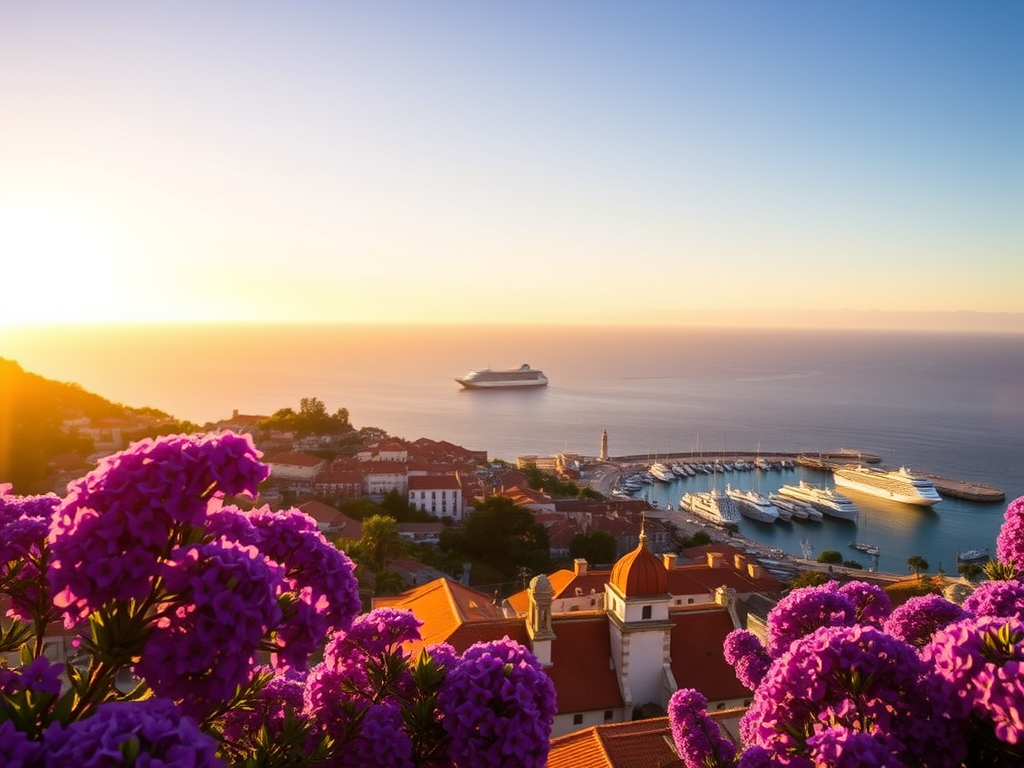
For U.S. travelers juggling full calendars, Madeira has been quietly transforming from “Where is that again?” to a serious contender for your next Europe‑plus‑island trip. Visitor numbers, overnight stays, and tourism revenue all hit record highs in 2024 and continued climbing into 2025, a sign that the secret is getting out. New direct connections from Newark have cut out what used to be a long, multi‑stop journey, making it much more practical from the East Coast without sacrificing that far‑flung Atlantic‑island feel.
Why Madeira Is Calling This Friday
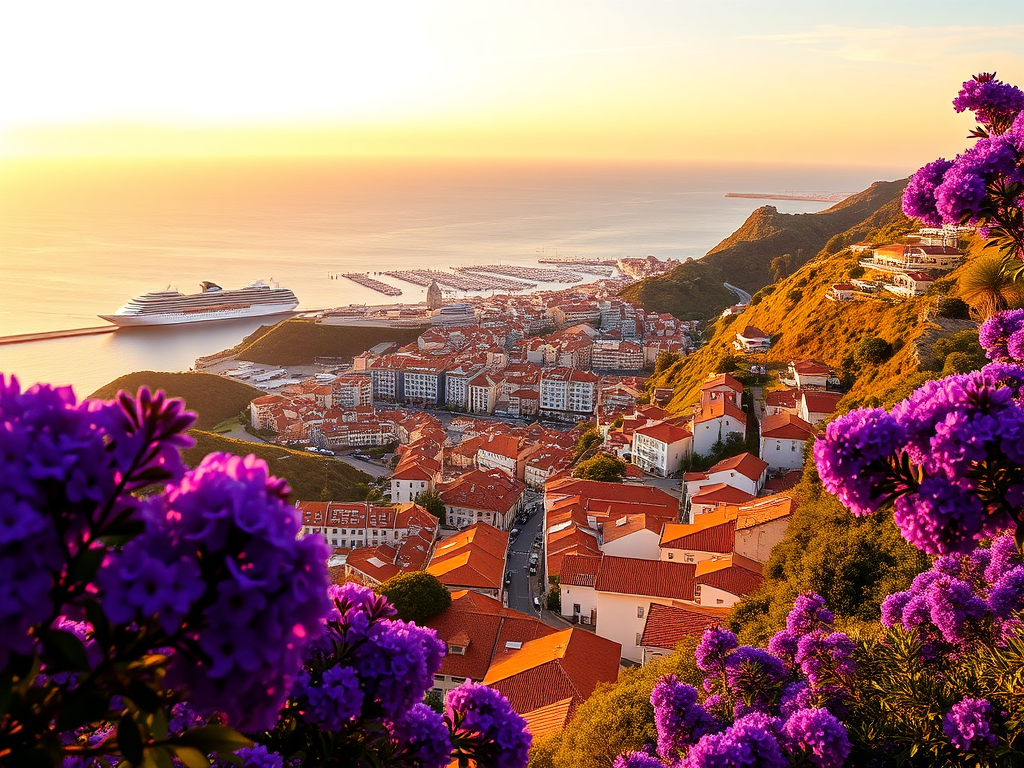
Instead of long, flat strips of resort beaches, Madeira offers volcanic cliffs, terraced hillsides, and small coves, with an interior laced by levada walking paths that follow historic irrigation channels. The island’s reputation for warm hospitality, strong food culture, and boutique‑leaning stays has also made it particularly appealing to travelers who care as much about local character as they do about comfort.
Best Time to Go: Friday Dreams, Real‑World Seasons
One of the most appealing aspects of Madeira for busy U.S. travelers is how forgiving the calendar is: the island’s mild subtropical climate makes it a realistic option in almost any month, with different seasons favoring different styles of trips. Even in winter, average daytime temperatures are often in the low to mid‑60s Fahrenheit, which is a stark contrast to much of the continental U.S. at that time of year.
Spring: Flowers, Levadas, and Lighter Crowds
Spring (roughly March through May) is especially attractive if you love color, walking, and lighter crowds. During these months, the island sees wildflowers, including jacaranda and other ornamental species, coming into bloom, with daytime temperatures typically in a comfortable range somewhere around the upper 60s to mid‑70s Fahrenheit and generally less rainfall than mid‑winter.
Funchal’s Flower Festival, typically held in May, adds an extra layer of atmosphere, with floral displays and events that tap directly into the island’s identity as an “eternal spring” destination. For U.S. travelers trying to avoid peak summer fares, this spring window can also align nicely with shoulder‑season pricing and more availability at the types of small and boutique accommodations that book up fast later in the year.
Summer: Sun, Sea, and Festive Energy
Summer (June to September) brings more reliably dry, sunny days and a stronger beach‑and‑sea rhythm, with typical temperatures often in the low‑ to upper‑70s Fahrenheit, occasionally pushing higher when warmer winds blow in from the Sahara. Rainfall tends to be low in these months, and the sea is at its most welcoming for swimming, boat trips, and time in natural rock pools like those in Porto Moniz.
This is also a period when Madeira feels particularly festive, with harvest‑season celebrations and food‑forward events, including opportunities to sample local specialties and seasonal products. The flip side is that this coincides with one of the island’s extended peak periods, so there are more visitors overall and U.S. travelers who value quieter atmospheres may prefer to reserve summer for more sea‑centric itineraries, then lean on early spring or fall for hiking‑first trips.
Autumn: Shoulder‑Season Sweet Spot
From roughly September into October, Madeira often hits a sweet spot for many travelers: sea temperatures remain inviting, days stay warm, and there is generally less rain and lighter crowds compared with mid‑winter or high summer. In these months, average daytime highs commonly stay in a comfortable, warm range, with evenings that suit al‑fresco dining with only a light layer needed.
Several guides highlight early fall as especially good for combining garden visits, scenic drives, and time on the water, with enough daylight to make the most of the island without the more intense peak‑season flow. For U.S. travelers working around school calendars, late September into early October can also fit neatly into a shoulder‑season break, when availability patterns and rate dynamics tend to be more forgiving.
Winter: Gentle Sun and Green Slopes
For those who crave winter sun rather than snow, Madeira from November through February offers an alternative to Florida and the Caribbean that still feels distinctly European. There is more rainfall in these months, especially in the mountains and in some northern and western areas, but coastal zones can still see mild, comfortable days, and locals often joke that the island can serve up several seasons in a single day depending on where you stand.
Daytime winter temperatures along the coast typically remain in the low‑ to mid‑60s Fahrenheit, sometimes climbing higher, which is enough for pleasant walking and outdoor dining when the sun is out. For U.S. travelers, this stretch of the year can be ideal for a lower‑key reset focused on food, wine, levada walks, and spa time, rather than pure beach‑holiday expectations.
Where to Stay: Funchal and Beyond
For many first‑time visitors, basing in or near Funchal makes the most sense, especially if you want a mix of walkable city life, easy touring, and access to day trips elsewhere on the island. Funchal’s terraced setting, harbor views, and neighborhood diversity give you distinct styles of stay even within the same compact urban area.
Key Funchal Neighborhoods
Different parts of Funchal cater to different tastes, from historical charm to seafront resort style:
- Old Town (Zona Velha): Narrow cobblestone streets, colorful buildings, and a concentration of restaurants and bars, creating a lively, atmospheric base close to the waterfront.
- Santa Maria Maior: A historic heart for landmarks such as Funchal Cathedral and the Municipal Garden, with a mix of cultural sights and dining.
- Lido: A more modern, oceanfront area with a cluster of hotels, seaside promenades, access to bathing complexes, and a more overtly resort‑like feel.
- São Martinho: A quieter, largely residential coastal district dotted with large villas, apartment buildings, and several luxury hotels along the seafront, plus one of Madeira’s major shopping malls.
- São Pedro: A small‑scale, traditional neighborhood with narrow streets, gardens, and a calmer, more local feel just outside the center.
Each of these areas gives U.S. travelers a different way to “tune” their stay—whether that means late‑night dining in the old streets, slower mornings on a balcony in a residential zone, or a more polished resort environment walking distance from swimming spots and promenades.
Beyond Funchal: Coastal Retreats and Sun Pockets
Outside of the capital, several municipalities and small towns have become particularly popular with international visitors, including Americans who are staying longer for remote work or an extended seasonal break. Funchal itself accounts for over half of Madeira’s international residents, but areas such as Santa Cruz and Calheta also host significant shares of the foreign community, each with their own appeal.
Ponta do Sol, sometimes described as one of the sunniest points on the island, has developed a strong following among digital professionals due to its climate and lifestyle, while Calheta combines a more relaxed coastal environment with modern living and access to outdoor activities. These places tend to suit U.S. travelers who value a slower rhythm and are comfortable renting a car, with Funchal reserved for day trips rather than the primary base.
What to Do: From Levadas to Lava Pools
Madeira is not a traditional long‑sand‑beach destination; instead, its appeal lies in a blend of nature, walking, sea access, and a compact but engaging urban scene in Funchal. The island’s top experiences lean into its topography and its relationship with water, both inland and along the coast.
Levada Walks and Mountain Views
Levada walks—paths that follow historic irrigation channels contouring the island’s slopes—are one of Madeira’s signature experiences. These trails can range from gentle, relatively flat routes suitable for casual walkers to more demanding stretches that climb into the interior, often rewarding effort with views over valleys, terraced hillsides, and distant cliffs.
Several of these levada paths are accessible from within a short drive of Funchal, allowing travelers to blend mornings on the trail with afternoons back in the city or at the coast. For U.S. travelers used to national‑park style hikes, the levada system offers something slightly different: narrow paths hugging water channels in lush environments, sometimes with tunnels and sheer drops, which makes guided options a sensible choice for many.
Coastal Highlights and Natural Pools
Along the coastline, dramatic cliffs, small coves, and engineered bathing areas replace the continuous sandy beaches found in some other Atlantic and Mediterranean destinations. One of the best‑known examples is the lava‑rock pool complex at Porto Moniz, which makes use of the volcanic formations to create safe swimming basins with ocean views.
Summer and early fall are particularly good times to enjoy these sea‑focused experiences, when the water is warmest and the chance of sunny days is highest. For U.S. travelers building a week‑long itinerary, it can work well to allocate specific days to west‑coast excursions, combining viewpoints, small villages, and a few unhurried hours in and around the natural pools.
Funchal’s Food, Gardens, and Urban Rhythm
Funchal pulls together several threads of Madeira’s identity: gardens, markets, harborside promenades, and a restaurant scene that balances local flavors with contemporary influences. Botanical and municipal gardens, as well as landscaped public spaces, reflect the island’s climate and long‑standing emphasis on ornamental plants, which is especially evident during the Flower Festival period.
The city also serves as a focal point for Madeira’s culinary evolution, which has gained more attention as tourism has surged, with references to a “dynamic” and increasingly visible dining scene supported by rising visitor numbers and investment in hospitality. For U.S. travelers, this translates into the ability to plan evenings that feel substantial and varied without needing to hop between multiple towns, particularly if you are based in one of the central or seafront neighborhoods.
Who Madeira Suits Best
Madeira’s profile aligns especially well with certain types of travelers from the U.S., both in terms of rhythm and expectations. This is a destination where the primary “headline” is not a single beach or landmark, but a combination of climate, scenery, and an overall sense of gentler pace.
- Couples and small groups: The mix of scenic drives, wine, gardens, and walkable neighborhoods naturally lends itself to couples and close‑friend getaways.
- Active travelers and hikers: The levada network, mountain viewpoints, and year‑round mild temperatures make it a strong match for travelers who like to walk several times a week on vacation.
- Remote workers and extended‑stay guests: Digital professionals, particularly from abroad, have been choosing Madeira for its climate and lifestyle, with places like Ponta do Sol developing reputations as hubs for this community.
- Winter‑sun seekers: For those who want to sidestep cold, grey months without heading to the tropics, Madeira’s winter daytime temperatures and greenery can feel restorative.
- Families with younger children can also enjoy the island, particularly if they value nature and are comfortable with car‑based exploration over long stretches of sand‑castle time. The compactness of the main island allows for day trips that do not require extremely long drives, which is helpful for keeping days balanced.
Practical Travel Tips for U.S. Visitors
Well‑planned Madeira trips tend to feel smoother and more relaxed, which is especially valuable when working with limited vacation days or complex household schedules. A few practical considerations can make a noticeable difference to how the trip feels in real time.
Trip Length and Pacing
For a first visit from the U.S., a stay of around 6 to 9 nights often hits the sweet spot between depth and logistics, especially once transatlantic flights and layovers are factored in. This allows time for a home base in Funchal plus one or two full‑day circuits into different parts of the island, with at least one “no‑rush” day left intentionally open.
Multi‑week stays are increasingly common among international visitors who can work remotely, especially in known pockets such as Funchal, Ponta do Sol, and Calheta, but even in these cases, having a structured sense of which areas to focus on in the first week can prevent decision fatigue. Within shorter itineraries, building in a natural rhythm—for example, alternating more active days with lower‑key ones—can keep energy levels balanced.
Movement: Car, On Foot, and Tours
Madeira’s topography, with steep slopes and winding roads, means that movement is a key planning factor. For many U.S. travelers, a hybrid model works best: using Funchal as a walkable base with occasional guided excursions and selectively renting a car for 1–3 days dedicated to certain routes, rather than for the entire stay.
Guided experiences are particularly useful for levada walks that involve narrow paths, tunnels, or drop‑offs, as well as for travelers not used to driving in mountainous terrain. Meanwhile, Funchal’s neighborhoods, waterfront promenades, and central areas are well suited to exploring on foot, especially if your accommodation is strategically located.
Packing for Four Seasons in a Day
Given Madeira’s microclimates and elevation changes, local sayings about experiencing multiple seasons in a single day have a practical basis. Coastal areas can feel mild and sunny while central mountains pick up clouds, rain, or even occasional winter snow at higher elevations.
Packing is more about layers than about heavy gear: breathable clothing suitable for mild temperatures, a light waterproof shell, and an extra warm layer for higher‑altitude excursions are all worth including. Comfortable, grippy walking shoes are important if you plan to explore levada trails or cobblestoned streets in hillier areas. For summer and early fall trips, swimwear, packable sun protection, and something appropriate for breezier evenings near the water round out the essentials.
Safety, Comfort, and Mindful Travel
Madeira’s overall tourism profile emphasizes stability, hospitality, and a calm atmosphere, which are key selling points for U.S. travelers who want to avoid stress. That said, staying informed about official U.S. government travel advisories, along with any airline and entry‑related rules, is important because such guidance can change.
On the ground, many of the main safety considerations relate to natural conditions: steep paths, changeable weather in higher elevations, and ocean conditions along rocky coasts. Choosing vetted guides for more exposed walks, being realistic about fitness and comfort with heights, and paying attention to local advice regarding sea conditions all contribute to smoother experiences.
Respectful travel also means aligning with local rhythms and capacity, especially as tourism volumes increase. Visitor statistics over the past couple of years show significant growth in arrivals, overnight stays, and revenue, which can strain certain hotspots if not handled thoughtfully. Opting for shoulder seasons, exploring beyond the most crowded viewpoints, and supporting smaller local businesses helps distribute that impact more evenly across communities.
An Insider‑Feeling Experience: Sun, Work, and Wine in Ponta do Sol
Within Madeira’s evolving tourism story, Ponta do Sol stands out as a place where long‑stay visitors and digital professionals from abroad have formed a noticeable presence. Positioned on a part of the coast known for strong sunshine, it has been described as a favored base for remote workers, combining climate, scenery, and access to island‑wide adventures.
Americans are among those choosing to spend extended periods here, drawn by the blend of modern connectivity, small‑town scale, and easy access to the rest of Madeira. For a U.S. traveler with flexible work arrangements, a realistic scenario would be a two‑week stay mixing focused workdays in Ponta do Sol with strategically planned day trips and evenings in Funchal, backed by an itinerary that ensures logistics and pacing make sense across the whole period.
Madeira Travel at a Glance
To help frame Madeira in practical terms for U.S. travelers, it helps to look at climate, vibe, and trip style through a simple lens.
Aspect Madeira Snapshot for U.S. Travelers
- Climate Mild, spring‑like conditions much of the year, with warmer, drier summers and wetter but still temperate winters.
- Peak periods Extended summer and certain festival weeks see higher visitor volumes and pricing, reflecting strong tourism growth.
- Best for Active travelers, couples, small groups, remote workers, and winter‑sun seekers wanting nature and culture rather than long, sandy beaches.
- Main base Funchal offers walkability, dining, culture, and good access to day trips.
- Signature experiences Levada walks, coastal viewpoints, natural pools, gardens, and food‑driven evenings.
How a Curated Approach Transforms a Madeira Trip
Madeira rewards thoughtful structure: the kind of trip that feels easy and fluid on the surface usually rests on careful sequencing underneath. When planning for U.S. clients, several layers come together to turn a “nice week away” into a genuinely restorative, well‑paced island stay.
A curated plan looks beyond simply listing viewpoints and hikes and instead:
- Aligns neighborhood choice in Funchal (Old Town vs Lido vs São Martinho) with a traveler’s preferred rhythm, from nightlife to quiet sea views.
- Pairs levada walks and scenic drives with the right part of the day and season, taking into account microclimates and energy levels.
- Interleaves coastal and urban experiences so that there is an intentional alternation between active and slower days.
- Builds realistic transfer times and travel windows around limited vacation days and potential jet lag.
For U.S. travelers managing demanding careers, family obligations, or both, having that structure handled in advance means arriving on the island with clarity, not a backlog of decisions to make after you land. With the growth in demand and the rise of certain hotspots, particularly in peak months, having reservations and routes dialed in also helps avoid the feeling of constantly competing for space and availability.
Wander and Escape Down Memory Lane with Voyage JTravels
Picture a Friday in late spring, the kind of afternoon when your inbox feels relentless and your coffee has gone cold twice. The itinerary waiting in your pocket tells a different story: in thirty‑six hours, you will be walking along a levada trail in the hills above Funchal, with terraced slopes dropping away and jacaranda trees blooming somewhere below.
The flights are confirmed, the transfer arranged, the hotel in the neighborhood that fits the way you actually like to travel—close enough to dinner tables and harbor views, but not so central that you hear every late‑night footstep. A day for Porto Moniz is already mapped out, in a way that threads together viewpoints, time in the lava pools, and an unhurried lunch that makes sense with the drive times.
Once you land, decisions feel lighter, because the key ones have been made with intention: which levada works for your comfort level, which evenings are best kept open, and when to simply sit with a glass of something local while the light fades over the harbor. Instead of scrolling through endless lists and trying to piece together logistics, you move through the island at a pace that matches your energy, with options ready but not overwhelming.
This is where curated planning quietly reshapes the trip: it takes the growing popularity of Madeira, the reality of its microclimates and topography, and the constraints of U.S. schedules, and turns them into a clear, grounded plan that lets you inhabit the island fully once Friday finally gives way to that first Atlantic sunset.
Ready to shape your own Madeira moment—whether that’s a winter‑sun reset, a spring hiking week, or a longer working‑from‑the‑island stay—with the details handled and the options curated instead of chaotic? Connect with Voyage JTravels to start turning this Friday’s daydream into your next stamped passport moment. ✈️
Like. Follow. Share. Subscribe. Book Now. Wander and Escape with Us …
#voyagejtravels #madeiraisland #portugaltravel #islandgetaway #luxurytravel #slowtravel #europeanvacation
Book Now. Learn More Voyage JTravels
Disclaimer: Please note that this travel blog post is intended for educational and informational purposes. While based on general travel knowledge and aiming for accuracy, some anecdotal elements and personal touches have been included for storytelling and illustrative purposes to enhance reader engagement.




…Waiting to Hear Your Thoughts… Leave a Comment.