
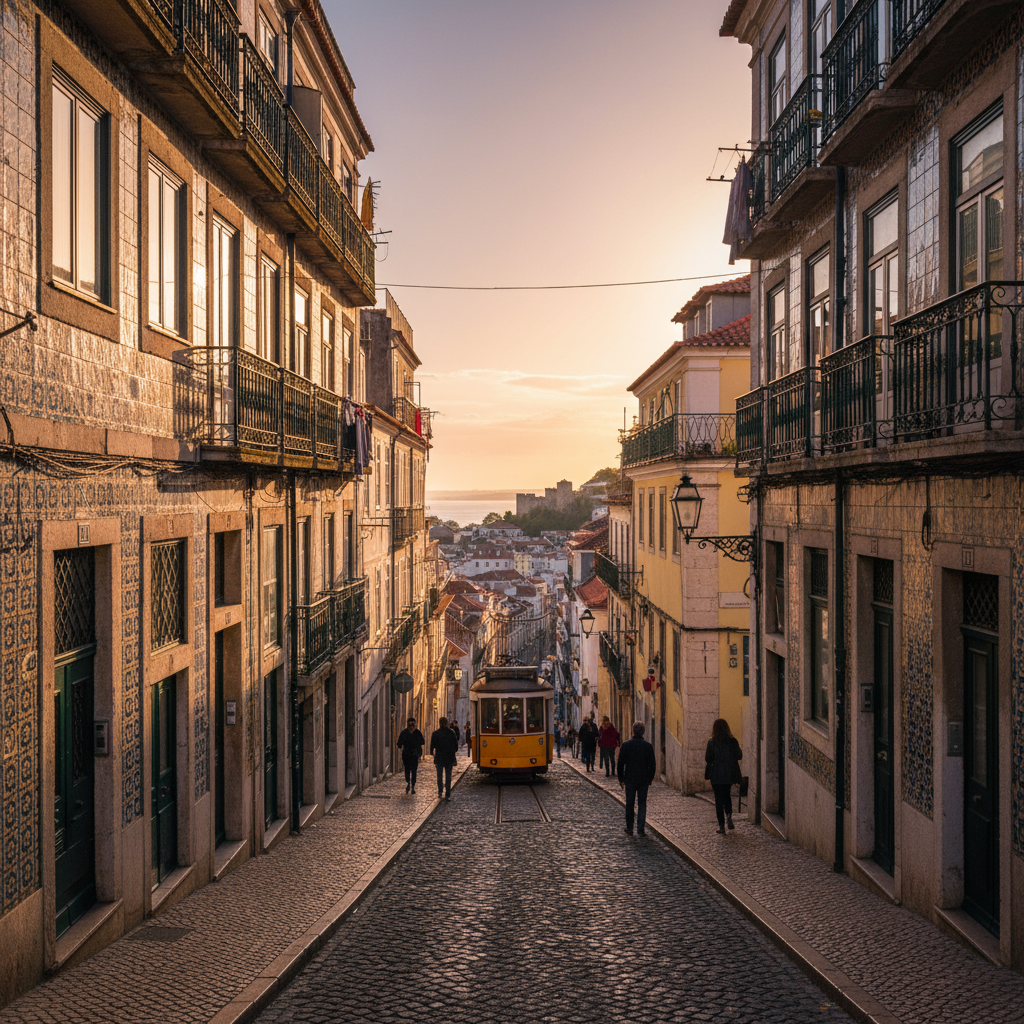
This Thursday isn’t just another day of the week—it’s an invitation to break away from routine and immerse yourself in one of Europe’s most enchanting capitals 🌍 Lisbon isn’t merely a destination; it’s a living, breathing tapestry of history, flavor, and authentic connection. For the everyday traveler seeking something beyond typical tourist attractions, Portugal’s golden-hued capital offers a masterclass in cultural discovery combined with culinary delights that’ll have you planning your next visit before you’ve even left. Whether you’re traveling solo, with your significant other, or your family, Lisbon in late autumn delivers the perfect blend of comfort, affordability, and soul-stirring experiences ✨
Voyage JTravels
Unveiling Lisbon: Why Thursday Travelers Are Choosing This Portuguese Gem
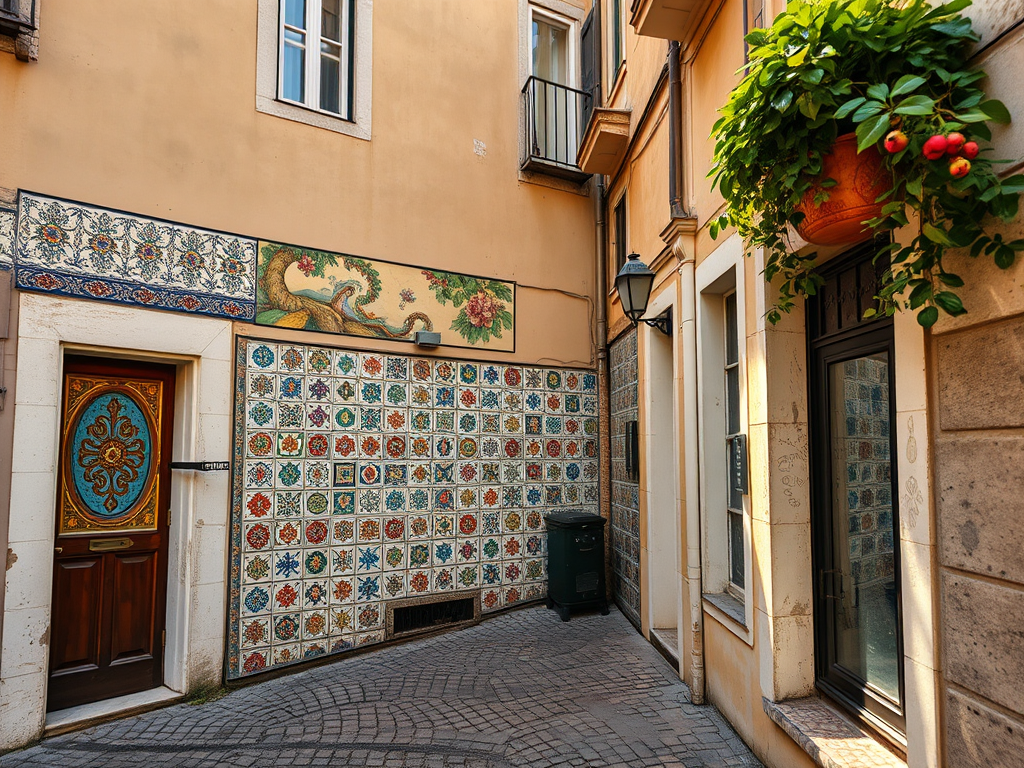
Lisbon’s iconic hand-painted azulejo tiles adorning historic building facades
Thursday holds a special significance in travel culture—it’s that magical middle-ground moment when the workweek energy begins to shift toward anticipation and weekend freedom. But here’s the secret: Thursday is also becoming increasingly recognized as the ideal day for travelers planning their escapes, as it represents a transition point toward adventure and cultural awakening 🎭
Lisbon has emerged as one of 2025’s most compelling destinations for everyday travelers who refuse to settle for cookie-cutter itineraries and cookie-cutter experiences. Unlike other European capitals that demand rigid schedules and exhausting museum marathons, Lisbon invites you to wander, explore, eat, and feel the rhythm of Portuguese life. The city sprawls across seven magnificent hills, each neighborhood telling its own story through winding cobblestone streets, hidden plazas, and countless opportunities for authentic encounters.
What makes Lisbon particularly appealing for the everyday traveler is its exceptional value proposition combined with cultural richness 💰 You get luxury-adjacent experiences—fine dining, world-class museums, sophisticated accommodations—at a fraction of what you’d pay in Barcelona, Paris, or Rome. Plus, November-December offers the best of both worlds: mild weather and minimal crowds. The city truly belongs to locals during these months, which means you’re experiencing real Lisbon, not a sanitized tourist version.
The Magic of Late-Fall in Lisbon: Weather, Vibes, and Perfect Timing ☀️
Let’s talk timing, because choosing when to visit profoundly impacts your experience 🗓️ November in Lisbon averages temperatures between 14-18°C (57-65°F), creating the perfect climate for exploration without summer’s oppressive heat or winter’s severe chill. December follows a similar pattern, occasionally dipping to 12-16°C (54-61°F), but the mild weather makes outdoor wandering genuinely pleasurable rather than a test of endurance.
This shoulder season presents incredible advantages:
December brings festive energy to Lisbon’s streets—elaborate Christmas lights illuminate historic neighborhoods, wooden cabins appear in squares selling mulled wine (vinho quente) and roasted chestnuts, and the city takes on an undeniably magical atmosphere ✨ November offers a perfect balance: fewer crowds than summer, pleasant sunny days mixed with occasional drizzle (which actually adds to the romantic ambiance), and lower accommodation prices. According to travel experts, both months are ideal for cultural exploration and outdoor activities without the sensory overwhelm of peak season.
One insider tip: avoid the first week of November when the Web Summit conference takes place—the city becomes noticeably busier. But the rest of November? Pure magic for the discerning traveler 🍂
Culinary Awakening: Eating Like a Lisboeta 🍽️
Here’s the unvarnished truth: you haven’t really traveled to Lisbon until you’ve completely surrendered to its food culture 😋 Forget everything you think you know about Portuguese cuisine—it’s far more sophisticated, diverse, and utterly addictive than outsiders typically assume.
Pastéis de Nata: The Custard Tart That Started a Revolution 🥐
Let’s begin with Lisbon’s most famous export (arguably rivaling Cristiano Ronaldo in terms of global recognition): the legendary Pastel de Nata, also called Pastel de Belém when made using the original recipe. This isn’t just a pastry; it’s an 18th-century invention born from necessity when Catholic monks at the Jerónimos Monastery in Belém discovered they had excess egg yolks from whites used to starch religious habits. Rather than waste them, they created this transcendent creation: crispy, flaky pastry layered with silky custard filling, generously dusted with cinnamon sugar, and topped with a hint of caramelization 👌
When to eat them: Always enjoy pastéis de nata warm and fresh, ideally accompanied by a strong espresso or creamy coffee. The traditional experience involves tipping additional cinnamon and sugar directly onto the tart before consumption—don’t skip this step! Pro tip from locals: visit the Jerónimos Monastery’s adjacent café for authentic pastéis de Belém, or explore newer artisanal bakeries experimenting with unexpected flavors while maintaining traditional technique.
Petiscos: The Art of Portuguese Small Bites 🍤
If pastéis de nata is Lisbon’s sweet siren, then petiscos represent the savory seduction that defines Portuguese social dining culture 🥂 These small plates—which roughly translate as “Portuguese tapas” but are fundamentally more generous and flavorful than their Spanish counterparts—embody how Lisboetas actually eat. Rather than formal sit-down meals, locals gather at local tascas (casual taverns) and wine bars to share plates, converse, and enjoy life’s simple pleasures.
Essential petiscos to sample:
- Caldo Verde: A traditional soup of pureed potato, kale, and sometimes chorizo—comfort in a bowl
- Pataniscas de Bacalhau: Salt cod fritters that are criminally addictive
- Pastéis de Bacalhau: Crispy mashed potato croquettes filled with shredded salt cod
- Chouriço Grelhado: Grilled traditional sausage with a slight smoky bite
- Presunto Ibérico: Thinly sliced cured ham from Iberian pigs—melt-in-your-mouth heaven
- Sardines Grelhadas: Simply grilled fresh sardines—the hallmark of Lisbon’s coastal bounty
- Percebes: Barnacles (if you’re adventurous!) with a briny, oceanic flavor
- Amêijoas à Bulhão Pato: Clams prepared with garlic, cilantro, and wine—simple yet magnificent
The genius of petiscos lies in their philosophy: quality over quantity, community over consumption. You’ll find yourself lingering at a neighborhood wine bar for hours, sampling plate after plate, making friends with locals, and experiencing Lisbon as residents truly experience it 🌟
The Ginjinha Experience: A Shot of Portuguese Soul 🍒
No culinary exploration of Lisbon is complete without experiencing Ginjinha—a deep red cherry liqueur that locals have cherished for generations. This traditional drink, served ice-cold in small glasses, offers a perfect digestif after meals or as an evening aperitif. The flavor is intensely cherry-forward with subtle spice notes, and the experience of drinking it in a tiny traditional tasca (often these establishments have been family-run for decades) is quintessentially Lisboeta ✨
Pro tip: Look for ginjinha served with or without a cherry at the bottom of the glass (cherry or no cherry is purely preference). The most traditional ginjinha bars are unmarked storefronts where locals disappear for quick shots between work—these are where you’ll find the authentic experience and usually the friendliest conversations 😊
The Poetry of Azulejos: Lisbon’s Living Art Gallery 🎨
Beyond food, Lisbon’s visual identity is profoundly defined by its azulejos—hand-painted ceramic tiles that have adorned Portuguese architecture since the late 16th century. While other cities boast art museums and galleries, Lisbon’s entire urban fabric functions as an open-air art installation, with azulejos serving as the primary brushstrokes 🖼️
Understanding Azulejos: History, Technique, and Cultural Significance
The story of Portuguese azulejos begins in ancient Assyria and Babylon but truly flourishes in Portugal, particularly Lisbon. These glazed tiles represent far more than decoration—they’re a visual narrative of Portuguese history, religion, daily life, and artistic evolution. Walking through Lisbon’s neighborhoods, you’ll observe azulejos depicting everything from historical battles and religious scenes to everyday domestic activities and decorative geometric patterns.
Why azulejos matter:
Traditional azulejos aren’t merely applied to buildings as an afterthought; they’re integral structural and aesthetic elements. They protect walls from moisture (crucial in a coastal city), provide visual identity to storefronts and addresses (before modern street signs, shop azulejos indicated businesses), and elevate the everyday into art. A traditional corner grocery store featuring hand-painted tiles displaying produce creates an aesthetic experience completely foreign to most travelers accustomed to sterile supermarket environments 🍎
Experiencing Azulejos as an Everyday Traveler 🚶
The National Azulejo Museum deserves several hours of your Lisbon itinerary. Located in the beautiful Convento da Madre de Deus, this museum houses Portugal’s most comprehensive azulejo collection, tracing the evolution from 15th-century Iberian influences through contemporary installations. The museum itself is housed in an exquisite monastery featuring stunning azulejo panels that provide context for your learning.
For hands-on exploration:
Beyond museums, the true magic of azulejos emerges during urban wandering. Spend an afternoon in neighborhoods like Alfama (the historic medieval heart), Mouraria (bursting with fado-themed street art and traditional tiles), Chiado (artistic and literary district), and Bairro Alto (bohemian and creative). In Alfama particularly, street names are rendered in azulejos on building corners—look up constantly, as Lisbon rewards those who do with constant visual discoveries.
Hands-on azulejo experiences available:
Several local artisans and workshops invite travelers to participate in tile-painting workshops, where you’ll learn traditional techniques and create personalized mementos. These workshops typically occur in nearby towns like Azeitão (about 45 minutes from Lisbon) where azulejo production remains a thriving traditional craft. You’ll observe artisans hand-painting designs, then create your own tile to be fired and delivered after your trip 🎨
Wander and Escape Down Memory Lane with Voyage JTravels 🌟
The beauty of truly experiencing Lisbon lies in removing yourself from rigid agendas and embracing spontaneous discovery. Thursday represents that perfect turning-point moment when ordinary life transitions into extraordinary experience 🔄
Start your morning in Alfama, the oldest neighborhood, where narrow alleyways barely wide enough for two people twist between ancient buildings. This medieval labyrinth—shaped by 8th-century Moorish occupation followed by centuries of Portuguese living—feels frozen in time. Windows display laundry, cats sprawl across doorsteps, and fado music echoes from hidden taverns. Take time to simply get lost, knowing that following your curiosity leads to authentic encounters rather than dangerous situations.
By midday, wander toward Belém, where the iconic Torre de Belém (Belém Tower) stands as a UNESCO World Heritage Site and symbol of Portuguese maritime exploration. This 16th-century fortress, once guarding Lisbon’s harbor entrance, features intricate Manueline architecture (Portugal’s unique architectural style combining Gothic, Renaissance, and Asian influences collected during exploration). The tower is genuinely worth climbing—from the top, the Tagus River spreads beneath you in golden afternoon light 🌅
Afternoon energy should transition toward Bairro Alto, the artistic heart where street art constantly evolves, boutique galleries showcase emerging Portuguese artists, and the energy feels distinctly contemporary. This neighborhood exemplifies how Lisbon balances historical preservation with creative innovation.
As evening approaches, position yourself at one of Miradouros (scenic viewpoints) scattered throughout the city for sunset. These aren’t touristy installations but rather local gathering spots where residents congregate as daily ritual. Miradouro da Senhora do Monte offers arguably the city’s most stunning vista—the entire city unfolds beneath you in shades of terracotta, gold, and blue, church domes punctuating the skyline like monuments to centuries past 🌆
At night, embrace Lisbon’s fado culture. Fado is Portugal’s soul music—deeply emotional, historically rooted in working-class neighborhoods, and completely unlike any other musical tradition. Unlike touristy fado performances catering to tourist expectations, seek out neighborhood establishments in Alfama or Bairro Alto where locals gather. A musician with a 12-string guitar enters unexpectedly, begins singing about loss, love, and longing (all central fado themes), and suddenly you’re witnessing something genuinely sacred rather than performed for audience approval.
This spontaneous wandering—this surrendering to discovery—is how everyday travelers genuinely connect with places 💫 Rather than rushing through a predetermined itinerary, you’re living the destination rhythm.
Practical Preparations: Smart Packing & Travel Intelligence 🧳
Preparing for Lisbon needn’t be complicated, but thoughtful packing significantly enhances comfort and allows flexibility for spontaneous adventures.s3.amazonaws

Essential Packing List for Lisbon (November-December): Your Everyday Traveler’s Guide
Additional Essential Preparation Tips for Everyday Travelers:
Transportation Strategy: Lisbon’s public transportation system is exceptional—clean, efficient, and remarkably affordable. The iconic yellow Tram 28 is simultaneously a functional transit option and tourist attraction (though increasingly crowded during peak hours). Purchase a rechargeable Viva Viagem card for unlimited metro, bus, and tram access. Walking remains the primary way to experience neighborhoods authentically; Lisbon’s hills are steep but navigable with proper footwear.
Accommodation Wisdom: Rather than staying exclusively in tourist areas like Baixa or Chiado, consider neighborhoods like Príncipe Real (artistic and sophisticated), Santa Apolónia (up-and-coming waterfront), or Alcântara (industrial-meets-creative vibe). Staying where residents live transforms your experience from visiting a place to inhabiting it 🏠
Digital Essentials: Download offline maps (Google Maps works brilliantly offline), use local transportation apps, and save restaurant recommendations on dedicated apps. Lisbon’s free WiFi is excellent at most cafés and accommodations.
Budget Realities: Lisbon remains remarkably affordable compared to other Western European capitals. Budget €15-25 for quality lunch petiscos, €30-50 for excellent dinners, €50-100 for comfortable mid-range hotel rooms, and €1.50 for public transportation. The value-to-experience ratio remains unmatched 💰
Language Bridge: While many Lisboetas speak English, learning basic Portuguese phrases (hello, thank you, please, excuse me) opens doors and hearts. Locals genuinely appreciate effort—speaking slowly in English mixed with Portuguese fundamentals creates connection rather than creating barriers.
Beyond the Typical: Hidden Experiences for the Discerning Traveler 🔍
Mercado da Ribeira (Time Out Market): Rather than arriving during peak tourist hours, visit mid-morning or late afternoon when locals actually shop. The energy completely transforms—instead of shoulder-to-shoulder tourists, you’ll observe real market dynamics, chat with vendors, sample fresh produce, and understand how Lisboetas actually source ingredients 🥕
LX Factory: This former industrial complex transformed into artistic hub features street art, galleries, vintage shops, and eclectic eateries. Unlike polished cultural centers, LX Factory maintains gritty authenticity—you’re witnessing genuine artistic process rather than curated exhibition.
Street Art Neighborhoods: Beyond famous tourist spots, neighborhoods like Marvila (industrial-cool vibe), Alcântara (emerging creative scene), and Arroios (colorful, eclectic, and authentically multicultural) showcase how street art functions as community voice rather than decorative afterthought. These areas represent Lisbon’s actual creative heart.
Beach Day Escape: Within 30 minutes via train or bus, you’ll reach excellent beaches like Costa da Caparica or Cascais. Even in November, ocean swimming remains possible (water temperature reaches approximately 17-19°C). The experience of relaxing on Portuguese beaches, then returning to Lisbon’s cultural intensity, perfectly balances your itinerary ⛱️
Ensuring Your Journey Is Completely Covered 🛡️
As your trusted JTravel Curator from Voyage JTravels, we cannot stress enough the importance of comprehensive travel preparation beyond packing and itineraries. This includes travel insurance and flexible financing options that protect your investment and provide peace of mind 🔐
Travel Insurance Essentials:
Quality travel insurance covers unexpected medical emergencies (particularly important internationally), trip cancellations due to unforeseen circumstances, baggage loss or delay, and provides 24/7 assistance services when traveling abroad. Voyage JTravels offers partnership access to trusted travel insurance providers offering comprehensive coverage specifically designed for everyday travelers. These policies typically cost $75-200 depending on trip length and coverage level—essentially travel insurance provides complete protection for this significant vacation investment.
Flexible Financing Options:
We understand that quality travel experiences require financial flexibility. Voyage JTravels provides financing options through trusted partners allowing you to structure payments across manageable installments rather than requiring full upfront payment. This democratizes access to transformational travel experiences—you shouldn’t have to choose between financial stability and experiencing the world’s beauty 💳
Our role as specialized JTravel Curators extends beyond simple bookings. We consider your complete travel ecosystem: ensuring proper insurance coverage, arranging financing that aligns with your budget, confirming accessibility accommodations if needed, managing dietary restrictions, coordinating multi-destination itineraries, and countless other details that transform travel from stressful logistics to joyful anticipation ✨
Why Choose Voyage JTravels for Your Lisbon Adventure:
- Expert Curation: With decades of travel expertise, we don’t simply book—we curate experiences addressing your complete needs and desires
- Transparency: You’ll understand every aspect of your journey, from flight details to accommodation amenities to local experiences
- Advocacy: We represent your interests, not merely vendor relationships, ensuring optimal value and experience quality
- Flexibility: We build adaptability into itineraries, understanding that real travel involves spontaneous moments and adjustments
- Comprehensive Support: From travel insurance through on-ground coordination, we’re available throughout your journey
- Lifestyle Content Creation: Through our Wander and Escape Blog, we continuously discover emerging destinations and authentic experiences worth sharing 🎥
Final Wandering Thoughts: Why Lisbon Calls to Everyday Travelers 💭
Thursday, November 6th represents more than a calendar date—it’s an opportunity to step beyond routine and reconnect with the wonder that motivates travel in the first place. Lisbon, with its perfect blend of history, culinary soul, artistic expression, and authentic community, offers everyday travelers exactly what’s being lost in increasingly commercialized destinations: genuine connection to place, people, and purpose 🌍
The city’s azulejos aren’t merely beautiful tiles—they’re reminders that humans have continuously sought to elevate the everyday through creativity and artistry for centuries. The petiscos aren’t simply snacks—they represent a social philosophy prioritizing community over consumption. The fado isn’t entertainment—it’s emotional archaeology, allowing us to feel what previous generations experienced.
When you visit Lisbon as an everyday traveler, you’re not just sightseeing. You’re participating in an ancient dance between past and present, between tradition and innovation, between the individual and community 💃 This is travel at its most transformational—not about accumulating experiences but about genuine transformation through cultural immersion.
Essential Resources & Links for Your Lisbon Adventure 🔗
| Resource | Purpose |
|---|---|
| Voyage JTravels | Complete travel curation and booking services |
| Viva Viagem Card | Public transportation access (metro, buses, trams) |
| Google Maps Offline | Navigation without relying on data connectivity |
| Local Restaurant Apps | Discover and book authentic neighborhood eateries |
| Lisbon Tourism Board | Official destination information and event calendars |
Like. Follow. Share. Subscribe. Wander and Escape with Us …
#voyagejtravels #LisbonTravel #CulinaryAdventure #EverydayTraveler #PortugalDestination #AuthenticExperiences #TravelCuration
Book Now. Learn More. Voyage JTravels 🧳✨
Disclaimer: Please note that this travel blog post is intended for educational and informational purposes. While based on general travel knowledge and aiming for accuracy, some anecdotal elements and personal touches have been included for storytelling and illustrative purposes to enhance reader engagement.





…Waiting to Hear Your Thoughts… Leave a Comment.