
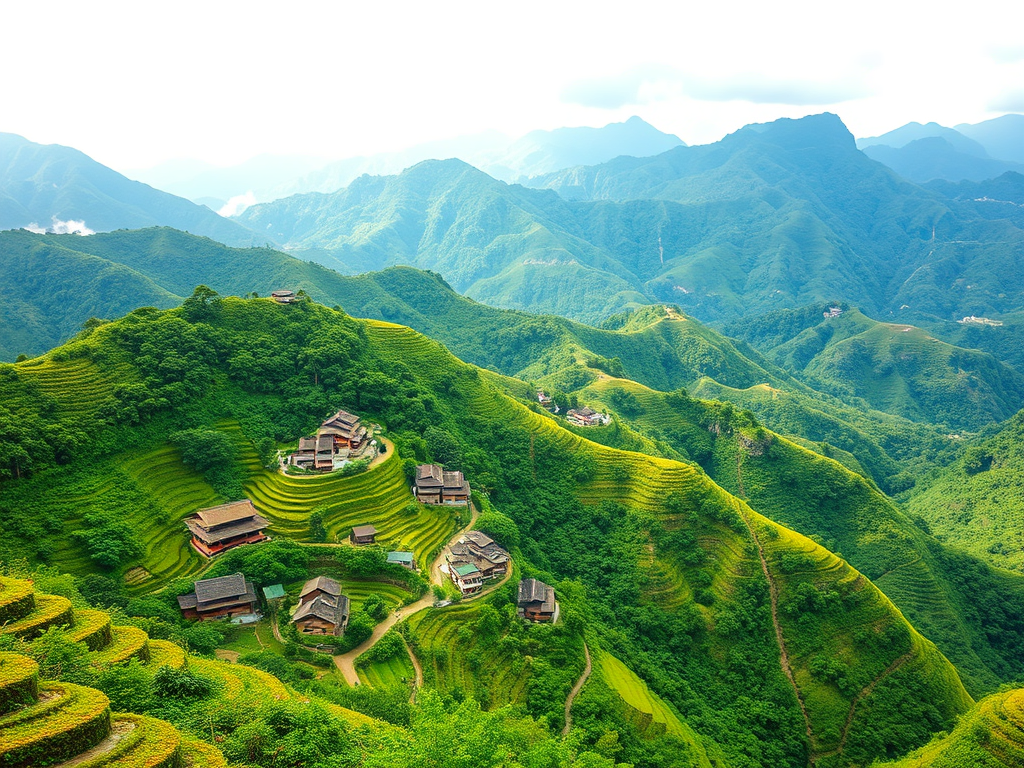
Today’s Tuesday travel theme takes us on an extraordinary journey to the beautiful island of Taiwan, where ancient traditions harmoniously blend with modern sustainability initiatives. This remarkable destination offers the perfect balance of cultural immersion and eco-conscious adventure, making it an ideal choice for travelers seeking authentic experiences while minimizing their environmental footprint. 1
Voyage JTravels
Taiwan’s Revolutionary Approach to Sustainable Tourism
Taiwan has emerged as one of Asia’s most underrated gems, captivating visitors with its diverse landscapes, rich indigenous heritage, and commitment to sustainable tourism practices. The island nation recently unveiled its groundbreaking “Sustainable X Digital” transformation strategy, positioning itself as a global leader in responsible travel while preserving its stunning natural beauty and cultural authenticity. whatawonderfulworld+1

Best Times to Visit Taiwan: A Year-Round Travel Guide
Taiwan’s dedication to environmental stewardship extends far beyond typical eco-tourism initiatives. The island has implemented comprehensive sustainability measures that demonstrate genuine commitment to preserving both natural ecosystems and cultural heritage. The government’s ambitious plan includes a complete ban on single-use plastic amenities in hotels by 2025, controlled access to protected areas like Turtle Island, and extensive support for eco-certifications throughout the hospitality industry.whatawonderfulworld+1
The island’s approach to sustainable tourism encompasses three critical pillars: environmental protection, cultural preservation, and community empowerment. Real-time crowd control systems monitor popular scenic spots to prevent overtourism, while improved public transportation options, including the renowned Taiwan Tourist Shuttle, provide eco-friendly alternatives for exploration. These initiatives ensure that visitors can experience Taiwan’s magnificent landscapes without compromising their integrity for future generations.travelagewest+1
What sets Taiwan apart in the sustainable tourism landscape is its emphasis on community-based tourism initiatives. Local communities, particularly indigenous tribes, are empowered to develop authentic cultural experiences that keep tourism revenue within their communities while offering visitors genuine connections to Taiwan’s heritage. This model creates a sustainable cycle where tourism directly benefits local populations while providing travelers with meaningful, transformative experiences.justaiwantour+3
Timing Your Taiwanese Adventure: Seasonal Perfection

A scenic coastal cliff road at Taroko National Park in Taiwan showcasing the dramatic meeting of mountains and ocean scmp
Understanding Taiwan’s seasonal variations is crucial for planning the perfect sustainable adventure. The island experiences distinct weather patterns that significantly impact travel experiences, from hiking opportunities to cultural festival participation. The most favorable travel periods occur during spring (particularly April) and autumn (October-November), when temperatures remain comfortable and rainfall is minimal.taiwanobsessed+2
Taiwan’s subtropical climate creates unique seasonal opportunities for different types of experiences. Winter months (December through February) offer excellent conditions for exploring hot springs, witnessing cherry blossoms, and participating in traditional festivals like the Lantern Festival. These cooler months provide ideal conditions for cultural immersion without the intense heat and humidity of summer months.nickkembel+2
The challenging summer period (May through September) brings intense heat, high humidity, and typhoon season, making outdoor activities uncomfortable for many travelers. However, this season coincides with important indigenous festivals and provides opportunities to experience Taiwan’s vibrant cultural calendar. The key to summer travel lies in focusing on mountain resorts, air-conditioned cultural experiences, and coastal activities during early morning or evening hours.girlonazebra+2
Indigenous Heritage: Taiwan’s Cultural Foundation

Group of Amis tribe members wearing traditional clothing during a cultural festival in Taiwan wikipedia
Taiwan’s indigenous culture represents one of the world’s most fascinating cultural tapestries, comprising 16 officially recognized tribes, each with distinct languages, customs, and traditions. These communities, whose ancestors are believed to be among the first Austronesians, maintain deep spiritual connections to Taiwan’s landscapes while sharing their heritage through meaningful tourism experiences.justaiwantour+2
The Amis tribe, Taiwan’s largest indigenous group, offers visitors incredible opportunities to participate in traditional activities like bamboo rafting on the Xiuguluan River, learning traditional eight-trigram net fishing techniques, and experiencing authentic archery workshops. The Ca’wi tribe in Hualien County demonstrates their seafaring heritage through guided river experiences, while the Pisirian tribe has developed innovative programs like the PawPaw Drum initiative to educate young people about their cultural heritage.wanderlustmagazine+2
Indigenous festivals provide some of Taiwan’s most authentic cultural experiences. The Amis Harvest Festival (Ilisin) in July celebrates the year’s harvest with traditional songs, dances, and foods, while the Flying Fish Festival of the Yami people on Lanyu Island showcases their unique maritime culture. These celebrations offer visitors rare opportunities to witness living traditions that have been passed down through generations while supporting community preservation efforts.taiwanobsessed+2
Culinary Adventures: Taiwan’s Gastronomic Paradise

Taipei night market street food vendor serving a customer, showcasing popular fried snacks under warm lighting wanderthemap
Taiwan’s food culture uniquely represents its complex history of colonialism and migration, creating a distinctive culinary landscape that draws influences from Japanese, Chinese, and Aboriginal traditions. The island’s commitment to sustainability extends to its food systems, with farm-to-table movements and local sourcing becoming increasingly prominent across the culinary scene.illumelation+2
Night markets represent the heart of Taiwanese food culture, offering incredible variety at affordable prices while supporting local vendors and traditional recipes. Raohe Street Night Market stands out as a food lover’s paradise, featuring the famous Fuzhou pepper pork buns from a Michelin-recognized stall, alongside numerous other authentic Taiwanese specialties. These bustling markets provide perfect opportunities for cultural immersion while supporting local economies.taiwanderers+2
Traditional Taiwanese dishes tell stories of the island’s cultural evolution. Lu rou fan (braised pork rice) represents comfort food at its finest, while regional specialties like Chiayi turkey rice demonstrate local adaptations of classic preparations. Dan bing (Taiwanese egg crepe rolls) showcase the island’s breakfast culture, often filled with locally sourced ingredients and served with traditional sauces that vary by region.willflyforfood+2
Natural Wonders: Taiwan’s Outdoor Playground

A suspension bridge over a river in a lush mountain valley at Taroko National Park, Taiwan audeladupaysage
Taiwan’s compact size belies its incredible natural diversity, offering everything from subtropical beaches to alpine peaks within remarkably short distances. The island’s commitment to conservation is evident in its extensive national park system, which protects over 20% of Taiwan’s land area while providing sustainable access to pristine wilderness experiences.lonelyplanet+2
Taroko National Park exemplifies Taiwan’s natural splendor, featuring the famous marble gorge carved by the Liwu River over millennia. Visitors can explore numerous hiking trails, from gentle walks to challenging multi-day treks, while witnessing some of Asia’s most spectacular geological formations. The park’s well-maintained trail system and visitor infrastructure demonstrate Taiwan’s commitment to balancing conservation with responsible tourism access.wheretohikewhen+2
Mountain hiking opportunities abound throughout Taiwan, from accessible day hikes in Yangmingshan National Park near Taipei to challenging multi-day adventures in Yushan National Park, home to Taiwan’s highest peak. Seven Star Mountain offers excellent views over Taipei and can be reached via public transportation, making it an ideal sustainable adventure for urban explorers. These mountain experiences provide opportunities to witness Taiwan’s incredible biodiversity while supporting conservation efforts through park entry fees and local guide services.taiwanstartshere+2
Urban Cultural Exploration: Taipei’s Hidden Treasures
Taiwan’s capital city seamlessly blends traditional culture with modern sustainability initiatives, creating unique urban exploration opportunities that support local communities while minimizing environmental impact. Taipei’s efficient public transportation system, including the extensive MRT network and bus services, provides eco-friendly access to cultural sites, markets, and neighborhoods throughout the metropolitan area.whatawonderfulworld+2
The city’s commitment to sustainability is evident in initiatives like the phase-out of single-use plastic cups at drink shops, a remarkable achievement in the birthplace of bubble tea. This dedication to environmental stewardship extends throughout Taipei’s cultural offerings, from green building certifications for hotels to support for local artisans using sustainable materials.taiwan-panorama+2
Exploring Taipei’s diverse neighborhoods reveals layers of cultural history and modern innovation. Traditional temples coexist with contemporary art spaces, while historic districts like Jiufen offer glimpses into Taiwan’s mining heritage alongside spectacular mountain and ocean views. These urban cultural experiences provide opportunities to understand Taiwan’s complex identity while supporting local businesses and cultural preservation efforts.girlonazebra+2
Practical Travel Wisdom: Planning Your Sustainable Journey
Planning a sustainable trip to Taiwan requires consideration of multiple factors, from seasonal weather patterns to transportation options and accommodation choices. The island’s compact size and excellent infrastructure make it possible to experience diverse regions without excessive travel, reducing environmental impact while maximizing cultural immersion opportunities.whatawonderfulworld+2
Taiwan’s transportation infrastructure supports sustainable travel through high-speed rail connections, comprehensive bus networks, and efficient urban transit systems. The famous ability to circumnavigate Taiwan by train offers unique opportunities for low-impact exploration while witnessing the island’s diverse landscapes and communities. Travelers can easily access mountain parks, coastal areas, and cultural sites using public transportation, reducing reliance on private vehicles.danflyingsolo+3
Accommodation options increasingly reflect Taiwan’s commitment to sustainability, with numerous eco-certified hotels and community-based homestays available throughout the island. Indigenous homestays provide particularly meaningful experiences, offering opportunities to learn traditional skills like weaving and cooking while directly supporting community preservation efforts. These accommodations often include cultural activities and local guide services, creating comprehensive sustainable travel experiences.travelagewest+4
Wander and Escape Down Memory Lane with Voyage JTravels
During my recent exploration of Taiwan’s cultural heartland, I discovered the profound connection between sustainable travel and authentic cultural experiences. Staying with an Atayal family in the mountains near Taroko provided insights into traditional weaving techniques and sustainable farming practices that have supported communities for generations. Learning to prepare traditional meals using locally foraged ingredients demonstrated how indigenous knowledge systems contribute to environmental conservation.
The experience of participating in an Amis harvest celebration revealed the deep spiritual connections between Taiwan’s indigenous peoples and their natural environment. Dancing in traditional costumes under star-filled skies while sharing stories passed down through oral traditions created memories that extend far beyond typical tourist experiences. These moments of cultural exchange demonstrate the transformative power of responsible travel when approached with respect and genuine curiosity.
Exploring Taiwan’s night markets through local eyes revealed layers of community culture often missed by casual visitors. Discovering family-owned stalls that have operated for multiple generations, learning about seasonal ingredients from passionate vendors, and understanding the social role these markets play in community life provided profound insights into Taiwan’s cultural fabric. These experiences demonstrate how sustainable travel choices can lead to deeper, more meaningful connections with destinations and their people.
Conclusion: Taiwan’s Tomorrow Starts Today
Taiwan represents the future of sustainable tourism, demonstrating how destinations can preserve their natural beauty and cultural authenticity while welcoming responsible travelers. The island’s innovative approaches to environmental protection, community empowerment, and cultural preservation create models that other destinations worldwide can emulate. For travelers seeking transformative experiences that positively impact local communities, Taiwan offers unparalleled opportunities for meaningful exploration.
The island’s commitment to sustainability extends beyond environmental protection to encompass social responsibility and cultural preservation, creating holistic approaches to tourism development. Visitors who choose Taiwan support these initiatives while gaining access to authentic experiences that deepen understanding of complex cultural landscapes and environmental stewardship practices.
As Taiwan continues evolving its sustainable tourism strategies, early adopters of responsible travel will find themselves part of a movement that prioritizes preservation over exploitation, community benefit over corporate profit, and cultural exchange over superficial consumption. This beautiful island nation demonstrates that sustainable tourism represents not compromise but enhancement, offering richer, more meaningful experiences for all involved.
Disclaimer: Please note that this travel blog post is intended for educational and informational purposes. While based on general travel knowledge and aiming for accuracy, some anecdotal elements and personal touches have been included for storytelling and illustrative purposes to enhance reader engagement.
Like. Follow. Share. Subscribe. Wander and Escape with Us …
#VoyageJTravels #TaiwanTravel #SustainableTourism #CulturalImmersion #EcoTravel #IndigenousCulture #ResponsibleTravel
Book Now. Learn More Voyage JTravels.

A colorful spread of traditional Taiwanese street food at a Taipei night market, showcasing the variety and cultural richness of local snacks





…Waiting to Hear Your Thoughts… Leave a Comment.