

Hello fellow wanderers! This Travel Tuesday, we’re embarking on an extraordinary journey to one of Eastern Europe’s most enigmatic destinations; a place where Soviet-era architecture stands frozen in time, underground wine cellars stretch for hundreds of kilometers, and a breakaway republic exists that the world doesn’t officially recognize. Welcome to Moldova and Transnistria, the hidden treasures that sophisticated travelers are just beginning to unearth. 2
Voyage JTravels
Why Moldova Deserves Your Attention Right Now
For the adventurous solo traveler in their mid-thirties who values authentic cultural immersion and sustainability, this destination offers an experience unlike anywhere else on the planet. Here, you’ll witness living history, taste award-winning wines stored in former limestone quarries, and connect with locals eager to share their stories in a region that tourism has barely touched. moldova+2
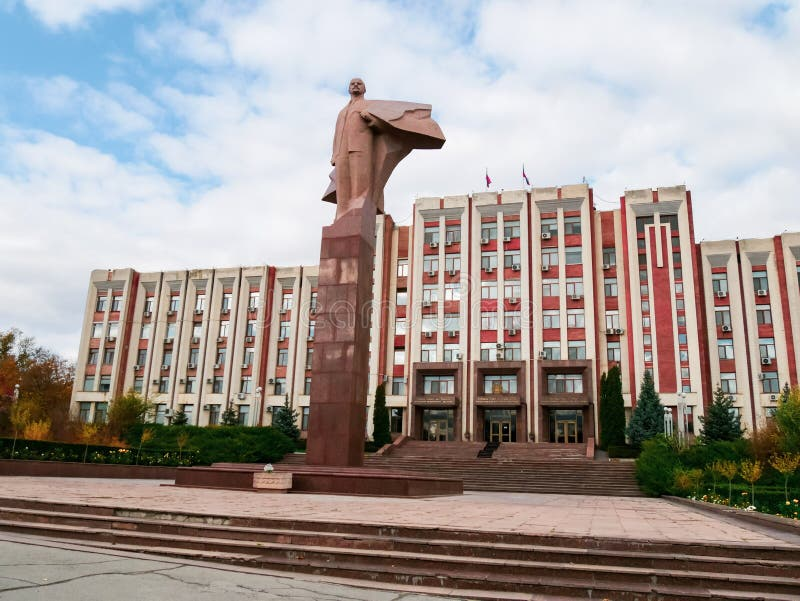
Lenin statue and Soviet-era architecture in Tiraspol’s central square dreamstime
Moldova remains one of Europe’s least-visited countries, welcoming just over 300,000 travelers annually compared to Spain’s 80 million. This small, landlocked nation nestled between Ukraine and Romania offers something increasingly rare in our hyper-connected world: authenticity. Here, tourism hasn’t commodified culture, locals genuinely welcome foreign visitors with curiosity rather than calculation, and your travel dollars directly support communities that need them most. moldova+2
The country has recently partnered with the Global Sustainable Tourism Council to develop responsible tourism practices, making it an ideal choice for eco-conscious travelers. With over 25% of its land protected as parks and reserves, Moldova balances agricultural heritage with environmental stewardship a commitment reflected in everything from its organic wine production to community-based rural tourism initiatives. moldova+1
October through early November presents an exceptional window for visiting. Autumn transforms the countryside into a palette of amber and crimson, grape harvests reach their peak, and National Wine Day celebrations create a festive atmosphere throughout the country. Temperatures hover comfortably between 10°C and 20°C (50°F-68°F), perfect for exploration without summer’s heat or winter’s bite. responsiblevacation+3
The Charms of Chisinau: Your Gateway to Discovery
Your journey begins in Chisinau (pronounced “kish-ee-now”), Moldova’s capital, a city that wears its complicated history on its sleeve. Unlike the polished European capitals designed to woo tourists, Chisinau presents an honest face of post-Soviet transformation. Tree-lined boulevards connect parks and Soviet-era architecture with emerging contemporary cafés and wine bars, creating an unexpected urban texture. nomadicmatt+2
Start your exploration at Cathedral Park, the city’s green heart, where the Nativity Cathedral’s neoclassical façade rises beside the Arc de Triomphe. Built in 1840 to commemorate Russian victory over the Ottoman Empire, this monument anchors the city’s symbolic center. Unlike its Parisian namesake, Chisinau’s arch embraces a more modest scale, yet it captures the city’s essence; proud, resilient, and often overlooked. johnnyafrica
The Central Market offers an immersive introduction to Moldovan life and flavors. This sprawling outdoor market extends far beyond typical tourist markets, with local vendors selling heirloom tomatoes for a fraction of Western prices, homemade cheeses, fresh placinta pastries, and seasonal produce grown in Moldova’s legendary black soil. English remains uncommon here, but gestures and smiles bridge communication gaps as vendors eagerly offer tastes of their products. moldova+2
For culinary experiences, seek out Ștefanița Plăcinte for authentic placinta, savory or sweet stuffed pastries that Moldovans consider national pride. Sample sarmale (stuffed cabbage rolls) served steaming hot with sour cream, or try mamaliga, a hearty cornmeal dish similar to polenta that sustained generations of Moldovan families. Pair your meal with local wine; Moldova’s ancient winemaking tradition dates back 7,000 years. moldova+3
Evening brings Chisinau’s emerging nightlife to life. Marlene Cocktail Bar crafts sophisticated drinks, while Vatra Neamului serves traditional Romanian-Moldovan cuisine in a cozy atmosphere. The city feels remarkably safe even after dark, and locals often approach foreign visitors with genuine curiosity about what brought you to their overlooked corner of Europe. johnnyafrica
Wine Country: Underground Kingdoms of Liquid Gold
No visit to Moldova is complete without descending into its legendary underground wine cellars, a network of former limestone mines transformed into the world’s most extensive wine storage facilities. Two destinations stand above the rest: Cricova and Mileștii Mici. moldova+2
Mileștii Mici holds the Guinness World Record for the largest wine collection globally, with two million bottles aging in 200 kilometers of underground tunnels. Electric vehicles transport visitors through this subterranean city, stopping at areas where sparkling wines mature and workers manually turn each bottle a quarter rotation daily to prevent sediment buildup. The constant 12°C temperature and 97-98% humidity creates perfect natural storage conditions, eliminating electricity costs and resulting in exceptional value for remarkably fine wines. nationalgeographic+1
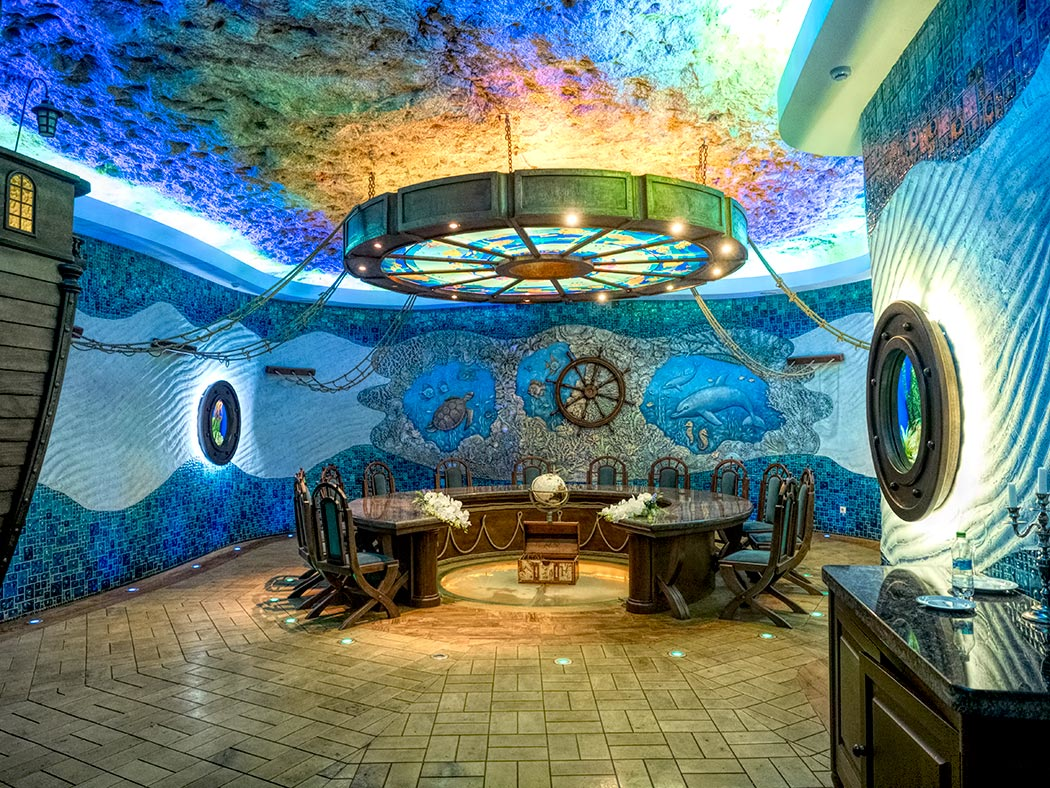
Nautical-themed wine tasting room in the underground Cricova winery cellars, Moldova holeinthedonut
Cricova offers a more village-like atmosphere, complete with a cinema for promotional films, tasting rooms decorated with nautical themes, and 1.6 million bottles aging in 55 kilometers of tunnels. Here, you’ll taste rosés with fuller bodies than typical varieties, dry wines with subtle sweet notes, and blends that win international gold medals. The experience of tasting wine 100 meters underground, surrounded by history and craftsmanship, creates memories that transcend ordinary wine tours. nationalgeographic+1
Beyond the famous underground cellars, Moldova’s emerging artisanal wineries deserve attention. Mihai Sava Winery in the Pojogana Hills represents the passionate small-scale vintner, producing Moldova’s only bottled version of Bianca wine. Crama Mircești provides employment for 35 villagers during harvest season, demonstrating how wine tourism supports rural communities. These family operations welcome guests with authentic hospitality, serving tastings alongside traditional Moldovan meals on terraces overlooking vineyard-covered hills. moldova+1
Crossing into Transnistria: Europe’s Last Soviet Republic
Perhaps no destination on Earth offers a more surreal journey than crossing into Transnistria, the self-declared republic that exists in geopolitical limbo. This narrow strip of land between Moldova’s eastern border and Ukraine declared independence in 1992, though no country, not even Russia, officially recognizes its sovereignty. moldova+3
Entering Transnistria requires only your passport. At the checkpoint, officials issue a free migration form documenting your stay. The experience feels theatrical border guards scrutinize documents, stamps click onto paper, and suddenly you’ve entered a place frozen in 1991, when the Soviet Union dissolved but this region chose to preserve its ideals. backpackadventures+3
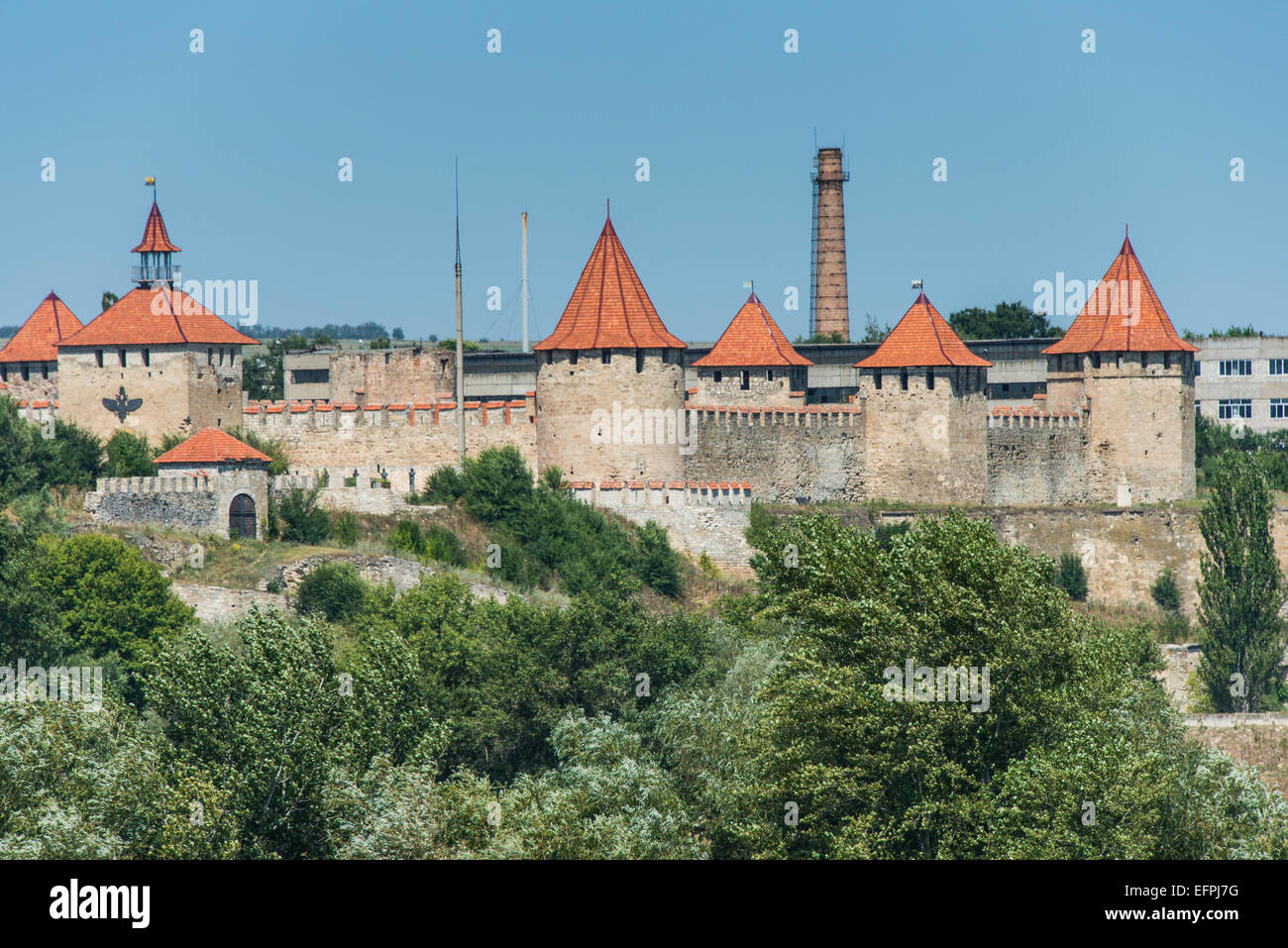
Bender Fortress in Transnistria with its distinctive red-tiled towers and stone walls under a clear blue sky alamy
Tiraspol, Transnistria’s capital, presents an open-air museum of Soviet aesthetics. Along 25 October Street, the main thoroughfare named for the October Revolution, statues of Lenin stand proudly before government buildings adorned with hammers and sickles. The House of Soviets, an imposing administrative structure, dominates the cityscape with its characteristic Soviet monumentalism; functional, symmetrical, and unapologetically authoritarian in design. kathmanduandbeyond+3
The Lenin Monument remains Transnistria’s most photographed landmark. This towering statue depicts the revolutionary leader mid-stride, cape flowing dramatically behind him, gazing toward a future that never materialized. For visitors from countries where such monuments were dismantled decades ago, seeing Soviet symbolism not just preserved but venerated creates a disorienting temporal displacement. backpackadventures+4
Immersing in Transnistrian Daily Life
To understand Transnistria beyond its political peculiarities, visit the Green Market (Zeleny Bazaar), where locals shop for daily necessities. This vibrant marketplace opens at 7 AM, offering fresh produce from surrounding villages, homemade cheeses, pickles, and traditional foods like kvass a fermented rye bread beverage with mild alcoholic content that children and adults consume freely. awaywiththesteiners+2
Vendors price goods in Transnistrian rubles, a currency recognized nowhere else on Earth. You’ll exchange dollars or euros upon arrival, receiving colorful plastic bills featuring Transnistrian landmarks including the KVINT distillery, which appears on the 5-ruble note. The market demonstrates how ordinary life continues in this unrecognized state, with families selling surplus garden vegetables, grandmothers offering jars of preserved fruits, and merchants bantering in a mix of Russian, Romanian, and Ukrainian. backpackadventures+4
The Kvint Distillery, founded in 1897, produces award-winning cognac that has traveled to the Vatican and into space. The factory’s name derives from the Russian acronym for “Cognacs, Wines, and Beverages of Tiraspol,” and locals consider it a national treasure. Daily tours at 3 PM (conducted in English and Russian) conclude with tastings of six brandies ranging from 5 to 50 years old. The 25-year Victoria brandy and 50-year Prince Wittgenstein represent the pinnacle of Moldovan distilling craftsmanship, incorporating Bianca, Aligoté, Riesling, and other varietals grown in the region’s unique terroir. wikipedia+4
Crossing the Dniester River brings you to Bender and its magnificent Bender Fortress. This 16th-century fortification witnessed countless battles between Ottomans, Russians, and Swedes, including housing Charles XII of Sweden after his defeat at Poltava. The stone walls and red-tiled conical towers stand remarkably preserved, offering panoramic views of the surrounding countryside. Walking these ramparts, you can almost hear the clash of armies that fought for control of this strategic position for centuries. getyourguide+1
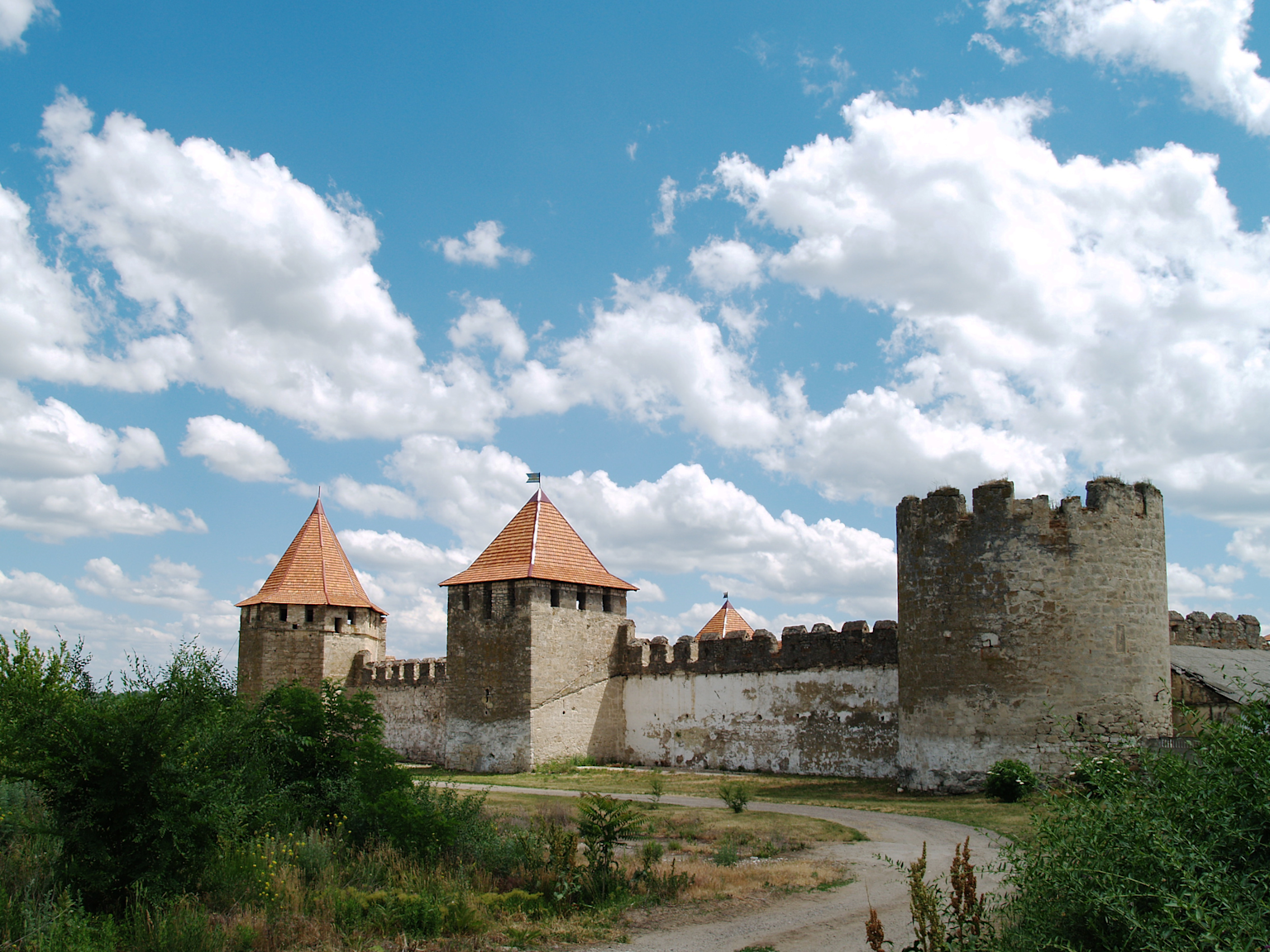
Bender Fortress in Transnistria features historic stone walls and distinctive conical-roofed towers under a bright blue sky wikipedia
Practical Wisdom for Your Moldovan Adventure
Timing Your Visit: October and early November provide ideal conditions; harvest season brings wine festivals, autumn foliage paints the countryside, and temperatures remain comfortable for walking. Spring (April through June) offers blooming landscapes and pleasant weather, though expect occasional rain showers. Summer’s warmth peaks in July and August with temperatures reaching 27-32°C (81-90°F), perfect for those who enjoy heat. Winter travelers should prepare for temperatures dropping below freezing with occasional snow, though Moldova’s winters remain drier than many European destinations. responsiblevacation+5
Getting Around: Moldova’s compact size makes transportation straightforward. Chisinau’s trolleybuses and marshrutkas (minibuses) provide cheap public transit, though the Yandex taxi app offers convenience for reasonable prices. Reaching Tiraspol requires a marshrutka from Chisinau’s Central Bus Station, costing approximately 37 MDL (about $2) for the hour-long journey. The vehicle stops at the Transnistrian checkpoint for immigration formalities. adventuresoflilnicki+3
Budgeting Your Experience: Moldova ranks among Europe’s most affordable destinations. A three-course restaurant meal costs around €20, while street food and market purchases come even cheaper. Wine cellar tours range from €15-40 depending on tasting selections. Transnistria proves equally economical, with accommodations, dining, and activities priced for local incomes rather than tourist budgets. oneplanetjourney+4
What to Pack: October visitors should layer clothing—mornings start cool but afternoons warm pleasantly. Bring comfortable walking shoes with thick soles for cobblestones and uneven sidewalks. A light rain jacket proves essential, as autumn showers arrive unpredictably. For professional settings or restaurant visits, pack at least one dressy outfit, as Moldovans value neat appearance there’s a saying that “you are welcomed by the way you are dressed”. Don’t forget a Russian translator app for Transnistria, where English remains rare. asocialnomad+4
Safety and Travel Advisories: The U.S. State Department maintains a Level 3 advisory for Transnistria (“Reconsider Travel”) due to proximity to the Ukraine conflict and limited consular access. The advisory specifically notes that while debris from airborne projectiles has occasionally landed in Moldova, there’s no indication the country itself is targeted. Chisinau’s airport operates normally, though flights to Russia, Ukraine, and Belarus remain unavailable. For current conditions, register with the Smart Traveler Enrollment Program (STEP) and monitor official advisories. travel.state+3
Most travelers report feeling safe in both Moldova and Transnistria, with crime rates low and locals welcoming. The political risks relate more to potential escalation of regional conflicts than immediate dangers to tourists. Guided tours from Chisinau to Transnistria offer additional security and smoother border crossings for those preferring organized experiences. nomadicmatt+7
Wander and Escape Down Memory Lane with Voyage JTravels
I’ll never forget the moment I crossed into Transnistria; the border guard scrutinized my passport with an intensity that made time itself seem to slow, then suddenly broke into a warm smile and welcomed me to a country that technically doesn’t exist. Walking through Tiraspol’s streets, past Lenin statues and Soviet murals, I felt transported not just across space but through decades. At the Green Market, a grandmother selling pickled vegetables insisted I taste her homemade kvass, refusing payment and instead sharing stories about her family’s vineyard in broken Russian and elaborate gestures. These moments of genuine human connection, unmediated by tourism’s commercial filters, remind us why we travel.
Descending into Cricova’s wine cellars, riding an electric cart through tunnels stretching beyond sight, I realized this was more than a tasting tour it was witnessing how ingenuity transforms necessity into artistry. Those limestone mines, exhausted from building post-war Chisinau, found new purpose preserving liquid history. Sampling a 25-year rosé surrounded by millions of aging bottles, I understood that Moldova’s story is one of resilience, adaptation, and quiet pride.
This is why working with a JTravel Curator transforms a trip into an experience. Navigating Transnistria’s paperwork, understanding which wineries welcome walk-ins versus requiring reservations, knowing that kvass vendors at the market offer the most authentic taste of local culture these insights don’t appear in generic guidebooks. At Voyage JTravels, we handle every logistical detail while ensuring you experience destinations authentically, not through tourist-trap lenses. We arrange financing options that make dream destinations accessible, secure comprehensive travel insurance that protects your investment, and provide 24/7 support so you never face uncertainty alone.
Whether you’re exploring a Soviet time capsule in Transnistria, tasting wines 100 meters underground, or connecting with locals who treat foreign visitors like honored guests rather than walking wallets, we ensure every moment reflects your values and travel style. Moldova demands the expertise of a curator who understands its nuances from optimal tasting room selections to navigating geopolitical sensitivities with cultural awareness.
Essential Insider Tips for Maximum Enjoyment
Language Considerations: Moldovan (essentially Romanian) serves as the official language, though Russian remains widely spoken, especially among older generations and in Transnistria. English penetration remains limited outside Chisinau’s tourism sector, so download Google Translates offline Romanian and Russian language packs before departure. Locals deeply appreciate even basic attempts at their language “Bună ziua” (good day) and “Mulțumesc” (thank you) open doors and hearts. nomadicmatt+4
Currency and Payments: Moldova uses the Moldovan leu (MDL), with current exchange rates around 18 MDL to $1 USD. ATMs appear throughout Chisinau but become scarcer in rural areas. Transnistria operates on Transnistrian rubles, which you’ll exchange at the border or in Tiraspol banks keep your exchange receipts, as you may need to convert remaining currency back when departing. Credit cards work in major Chisinau establishments but bring cash for markets, wine cellars, and Transnistrian adventures. gadventures+5
Connectivity: Purchase a local SIM card from Moldcell or Orange Moldova at the Chisinau airport or city stores for data coverage. Expect limited connectivity in underground wine cellars embrace the digital detox. Transnistria’s cellular service operates independently; your Moldovan SIM may not function there, though most hotels and cafés offer WiFi. asocialnomad+3
Photography Protocols: Photograph freely in Moldova, though always ask permission before capturing individuals at markets or rural areas. Transnistria requires more caution avoid photographing military installations, border checkpoints, or government buildings without explicit permission. The Lenin Monument and House of Soviets welcome photography, as authorities recognize their appeal to foreign visitors. againstthecompass+6
Dining Etiquette: Meals in Moldova emphasize abundance and hospitality. Expect hosts or restaurant owners to serve portions larger than you can possibly finish it’s a point of pride. When invited to a Moldovan home, bring wine or flowers (odd numbers only, as even numbers are reserved for funerals). Toast frequently but avoid clinking glasses while making eye contact if the toast is somber. moldova+2
Beyond the Beaten Path: Hidden Treasures Worth Discovering
Orheiul Vechi: This archaeological complex situated 60 kilometers northeast of Chisinau combines ancient history with stunning natural beauty. Carved into limestone cliffs above the Răut River, the Cave Monastery remains active, with monks maintaining traditions dating back centuries. The surrounding landscape of rolling hills and river valleys creates photographic opportunities that rival any European vista. adventuresoflilnicki+2
Saharna Monastery: Nestled in northern Moldova, this pilgrimage site features waterfalls, hiking trails, and religious significance. The journey itself rewards travelers with countryside views of villages where time moves at an agricultural pace. aroundtheworldin24hours
Tipova Monastery: Another cave monastery complex, Tipova represents Moldova’s largest cave monastery system, with chambers carved into vertical cliffs overlooking the Dniester River. The site’s remote location means fewer visitors and more opportunities for contemplative exploration. aroundtheworldin24hours
Soroca Fortress: This 15th-century stronghold guards Moldova’s northern border with Ukraine, its circular design and five bastions demonstrating medieval military architecture. The nearby Hill of Candles showcases Roma culture with elaborate mansion-like homes built by wealthy Roma families. aroundtheworldin24hours
Sustainable Travel Practices That Make a Difference
Moldova’s sustainable tourism initiatives deserve traveler support through conscious choices. Stay in family-run guesthouses rather than international hotel chains, directing revenue to local families who reinvest in their communities. The “Casa Gia” network connects travelers with authentic rural accommodations where you’ll experience genuine Moldovan hospitality. moldova+1
Purchase wines directly from small producers rather than exclusively from major cellars. Establishments like Château Vartely, Et Cetera Winery, and Asconi Winery practice organic viticulture and sustainable production methods while providing employment for surrounding villages. moldova+1
Shop at local markets for snacks and souvenirs rather than imported-goods supermarkets. Your purchases of fresh produce, handmade crafts, and regional specialties support small-scale farmers and artisans who lack access to larger markets. tripadvisor+3
Choose marshrutkas and public transport over private taxis when feasible, reducing carbon emissions while experiencing how locals actually navigate their country. These shared minibuses follow fixed routes for minimal fares, offering authentic encounters with Moldovan commuters. johnnyafrica+1
Respect cultural sites and natural areas by following Leave No Trace principles. Moldova’s protected parks and historical monasteries survive through minimal tourism infrastructure your responsible behavior ensures future generations can experience these treasures. moldova+1
What Makes This Destination Special for the Modern Traveler
In an era when Instagram influencers have turned once-hidden gems into overcrowded hotspots, Moldova and Transnistria offer something increasingly precious: undiscovered authenticity. Your presence here feels meaningful rather than extractive, as tourism dollars directly benefit communities without middleman tour operators taking majority percentages. laurewanders+4
The region appeals specifically to travelers who value substance over superficiality those who’d rather sip wine with a third-generation vintner discussing terroir than take selfies at manufactured “viewpoints”. Solo travelers find Moldova remarkably welcoming and safe, with locals eager to share recommendations and stories. Couples discover romantic wine country experiences without Tuscany’s crowds or prices. oneplanetjourney+6
For remote workers, Moldova’s emerging digital nomad scene centers in Chisinau, where coworking spaces offer reliable internet and comfortable environments. The favorable cost of living with monthly expenses totaling $500-800 for accommodations, food, and entertainment allows extended stays without depleting savings. youngpioneertours+2
History enthusiasts find Moldova’s position at the crossroads of empires fascinating. Ottoman, Russian, Romanian, and Soviet influences layer over one another, creating cultural complexity that rewards curious exploration. Transnistria specifically offers insights into post-Soviet identity and how political geography shapes lived experiences. backpackadventures+4
Fun Fact: The Country That Shouldn’t Run Out of Wine
Here’s a delightful statistic that captures Moldova’s essence: with approximately 112,000 hectares of vineyards for a population of 2.6 million people, Moldova has roughly one hectare of vines for every 23 citizens. If you calculate the wine production potential against population consumption, mathematically speaking, Moldova produces enough wine that every citizen could drink nearly 50 liters annually and there would still be surplus for export. The country ranks seventh globally in wine production by volume despite being one of Europe’s smallest nations. When Moldovans say wine runs in their veins, there’s statistical support for the claim! nationalgeographic+1
Final Thoughts: Embrace the Unexpected
Moldova and Transnistria challenge our assumptions about what European travel should look like. There are no Eiffel Towers or Colosseum equivalents here, no luxury fashion districts or Michelin-starred restaurant rows. Instead, you’ll find something potentially more valuable: a destination where tourism hasn’t yet commodified culture, where locals treat foreign visitors with genuine curiosity rather than transactional efficiency, and where your travel dollars make tangible differences in communities. nomadicmatt+2
This Travel Tuesday, consider stepping off the well-trodden European circuit into a region that rewards adventurous spirits with authentic experiences. Whether you’re exploring Soviet time capsules, descending into wine kingdoms carved from limestone, or connecting with locals who eagerly share their stories, Moldova delivers moments that transform travelers into storytellers. moldova+3
The world’s overlooked corners often hold its richest treasures. Moldova and Transnistria prove that sometimes the most memorable journeys take us to places we never knew we needed to visit until we arrive and discover we’ve been searching for them all along.
Book Now. Please Fill Out the Travel Forms and Begin Working with a JTravel Curator Today!
Learn More: Voyage JTravels
Disclaimer: Please note that this travel blog post is intended for educational and informational purposes. While based on general travel knowledge and aiming for accuracy, some anecdotal elements and personal touches have been included for storytelling and illustrative purposes to enhance reader engagement.
Like. Follow. Share. Subscribe. Wander and Escape with Us …
#TravelTuesday #MoldovaTravel #HiddenGemDestinations #SustainableTravel #SovietHistory #WineTravel #VoyageJTravels




…Waiting to Hear Your Thoughts… Leave a Comment.