

The Galápagos Islands offer an extraordinary sailing adventure unlike anywhere else on earth. Imagine waking up to the gentle rocking of your yacht, stepping onto the deck with a fresh cup of coffee, and witnessing sea lions playfully swimming alongside your boat while frigate birds soar overhead. A sailing journey through this volcanic archipelago provides intimate access to one of our planet’s most pristine wildlife sanctuaries and evolutionary wonderlands. From up-close encounters with giant tortoises to snorkeling alongside marine iguanas, the Galápagos delivers magical moments that transform travelers into lifetime conservation advocates. This Tuesday Tale will guide you through everything you need to know to plan your perfect Galápagos sailing adventure.
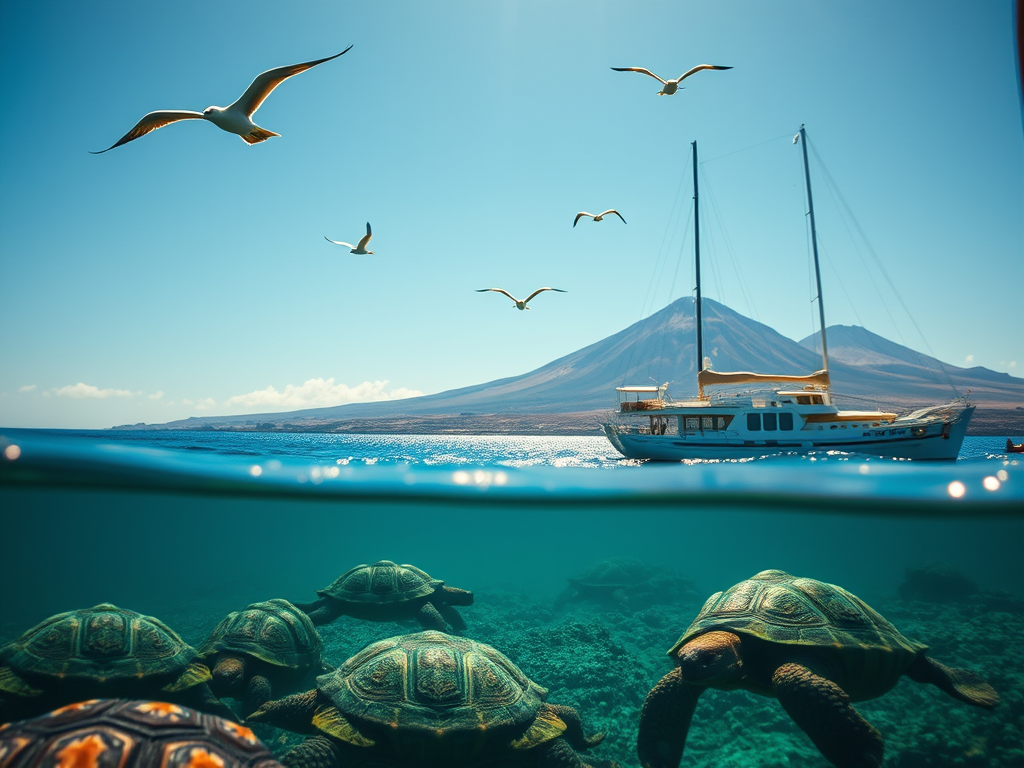
Why Choose a Sailing Experience in the Galápagos? 🐢
The Galápagos Islands, located 600 miles off Ecuador’s coast, comprise an archipelago of 19 main islands and dozens of islets scattered across nearly 17,000 square miles of protected marine reserve. While land-based tours offer certain advantages, sailing through the Galápagos provides a truly immersive experience that captures the essence of how Darwin himself first encountered these evolutionary marvels.
Sailing allows you to reach remote locations inaccessible to day-trippers and experience the archipelago’s diversity in comfort and style. Each morning brings a new island, each afternoon a different snorkeling site, and each evening a spectacular sunset over volcanic horizons. The intimate nature of small yacht cruises (typically 12-20 passengers) creates a personalized experience where naturalist guides can tailor explanations to your interests and ensure you’re positioned perfectly for wildlife encounters.
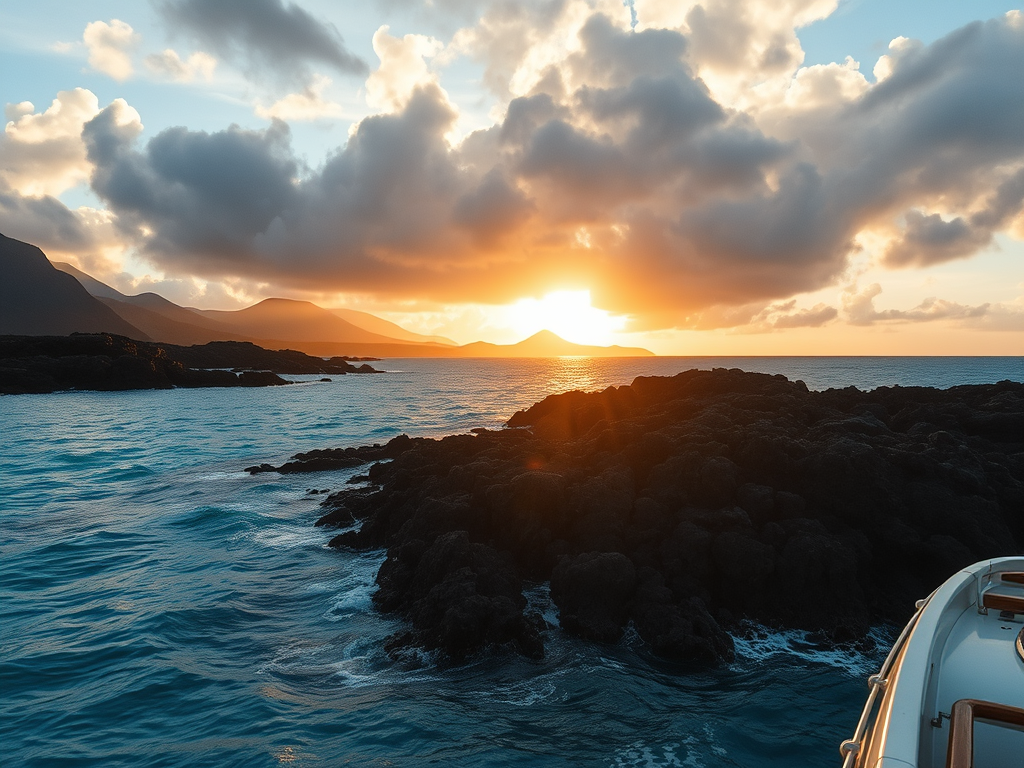
Perhaps most importantly, sailing mimics the natural rhythm of the islands. As you glide through waters where multiple ocean currents converge, you’ll witness the same ecological exchanges that have shaped this living laboratory for millions of years. The boat becomes your floating wildlife observation platform, where dolphins might accompany your journey between islands, and frigatebirds might follow your wake for miles. 🐬
When to Set Sail: Timing Your Galápagos Adventure 🗓️
The Galápagos offers year-round sailing opportunities, but understanding the islands’ two distinct seasons helps optimize your experience. The warm season (December to May) brings slightly higher temperatures (80-85°F), calmer seas, and clearer waters ideal for snorkeling. This period coincides with marine turtle nesting, flamingo breeding, and the courtship displays of frigate birds with their magnificent red pouches.
The cool season (June to November) sees temperatures drop slightly (70-75°F) as the Humboldt Current brings nutrient-rich waters that attract abundant marine life. This creates spectacular feeding frenzies where dolphins, whales, and seabirds converge around fish schools. While seas can be choppier, wildlife enthusiasts treasure this season for active sea lions and the chance to see Galápagos penguins hunting.
For photographers, April-May and October-November offer particularly magical lighting conditions when the transition between seasons creates dramatic skies and exceptional clarity. If you’re sensitive to motion, consider larger vessels (40+ passengers) during July-September when the Humboldt Current is strongest, as their stabilizers minimize movement in choppier waters. 🌤️
Sailing Options: Choosing Your Floating Home 🚢
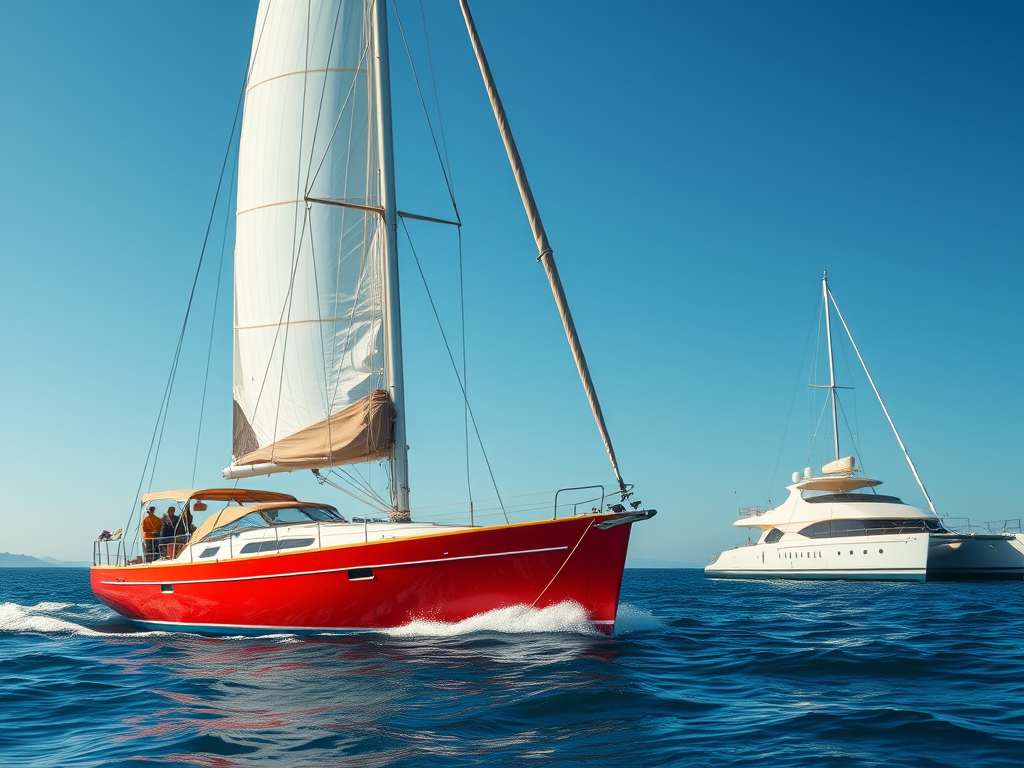
The Galápagos offers diverse sailing options, from luxury catamarans to traditional sailing yachts. Your choice significantly impacts your experience, so consider these variables:
Monohull sailing yachts provide the most authentic sailing experience with their classic lines and maneuverability, though they offer less stable platforms in rougher seas. Motor sailors combine sailing capabilities with motor power, offering reasonable stability and traditional aesthetics. Catamarans provide spacious decks and greater stability, making them ideal for those concerned about seasickness, while larger cruise ships offer premium amenities but less intimate wildlife experiences.
For optimal wildlife viewing and photography, vessels carrying 12-20 passengers strike the perfect balance between comfort and access. These mid-range boats can navigate to most landing sites while offering enough space to relax. They typically feature knowledgeable naturalist guides (legally required at 1:16 guide-to-passenger ratio) who provide deeper insights than you’d experience in larger groups.
Regardless of vessel type, look for itineraries covering both western islands (younger, more volcanically active) and eastern islands (older, with more developed vegetation). A comprehensive sailing itinerary typically runs 7-10 days, allowing sufficient time to experience the archipelago’s diversity without rushing your wildlife encounters. Remember that shorter cruises often mean more time sailing between islands and less time exploring. 🧭
Island Highlights: Must-See Destinations 🏝️
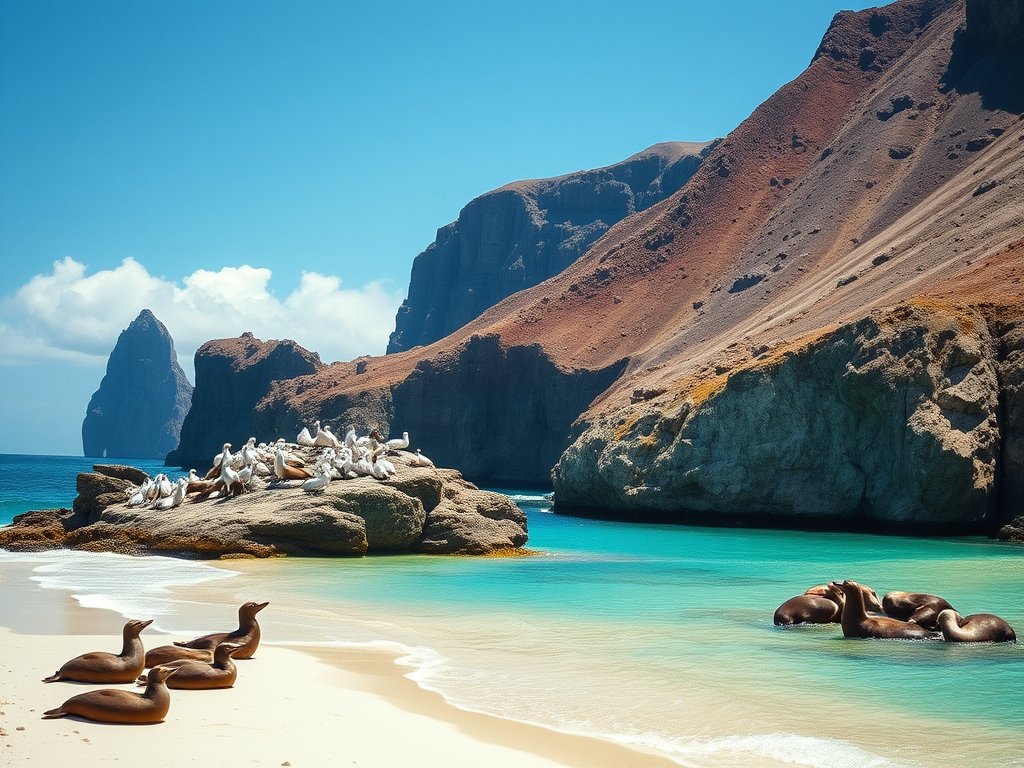
While your exact itinerary depends on your chosen sailing route and National Park regulations (which limit visitor numbers at each site), certain destinations stand out as particularly remarkable:
Española Island
Home to the waved albatross breeding colony (April-December), where these magnificent birds perform elaborate mating dances. The island’s Punta Suarez features a dramatic blowhole sending seawater 100 feet into the air. Gardner Bay offers one of the archipelago’s most beautiful beaches where sea lions lounge alongside sunbathing visitors. The contrast between the arid interior and dramatic cliff-lined coast makes Española a photographer’s paradise.
Fernandina Island
As the youngest and most volcanically active island, Fernandina presents a primordial landscape where recent lava flows create a stark backdrop for hundreds of marine iguanas basking in dense aggregations. The absence of introduced species makes Fernandina one of the world’s most pristine ecosystems. Punta Espinoza offers thrilling snorkeling opportunities where visitors might swim alongside hunting marine iguanas—the world’s only seafaring lizards.
Genovesa Island
Known as “Bird Island,” this collapsed caldera creates a protected harbor where red-footed boobies nest in the thousands. Darwin Bay’s gentle trail leads through nesting colonies where birds show remarkable tameness—a result of evolving without human presence. Prince Philip’s Steps offers a dramatic cliff-side landing leading to a plateau where short-eared owls hunt storm petrels in broad daylight, demonstrating the unique evolutionary adaptations found throughout the archipelago.
Bartolomé Island
Though small, Bartolomé delivers the archipelago’s most iconic vista—a panoramic view featuring Pinnacle Rock rising dramatically from turquoise waters. The moonlike landscape of spatter cones and lava formations creates a striking contrast to the vibrant underwater world, where Galápagos penguins dart through the water with astonishing speed. Sunrise hikes here provide extraordinary photography opportunities. 🌋
Wildlife Encounters: The Living Museum 🦎
The Galápagos Islands host extraordinary wildlife adapted to its isolated environment. During your sailing adventure, you’ll likely encounter:
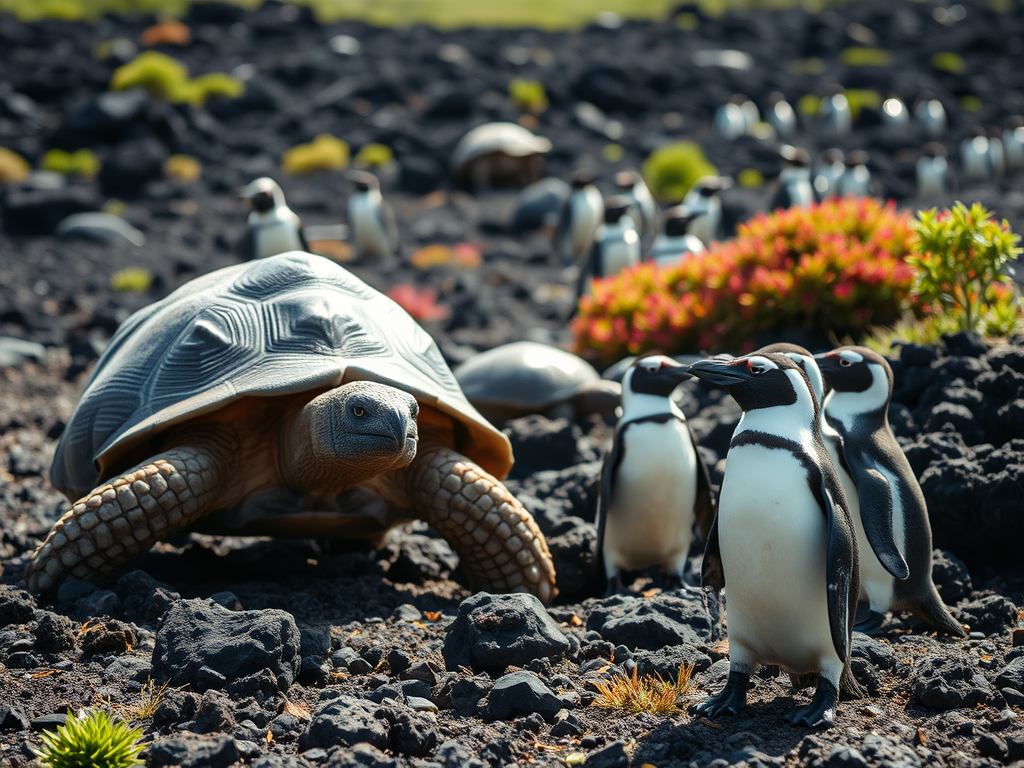
Giant tortoises, whose dome-shaped shells vary by island, demonstrating adaptive radiation that helped inspire Darwin’s theory of natural selection. The Santa Cruz highlands offer guaranteed encounters with these gentle giants weighing up to 500 pounds and potentially living over 150 years.
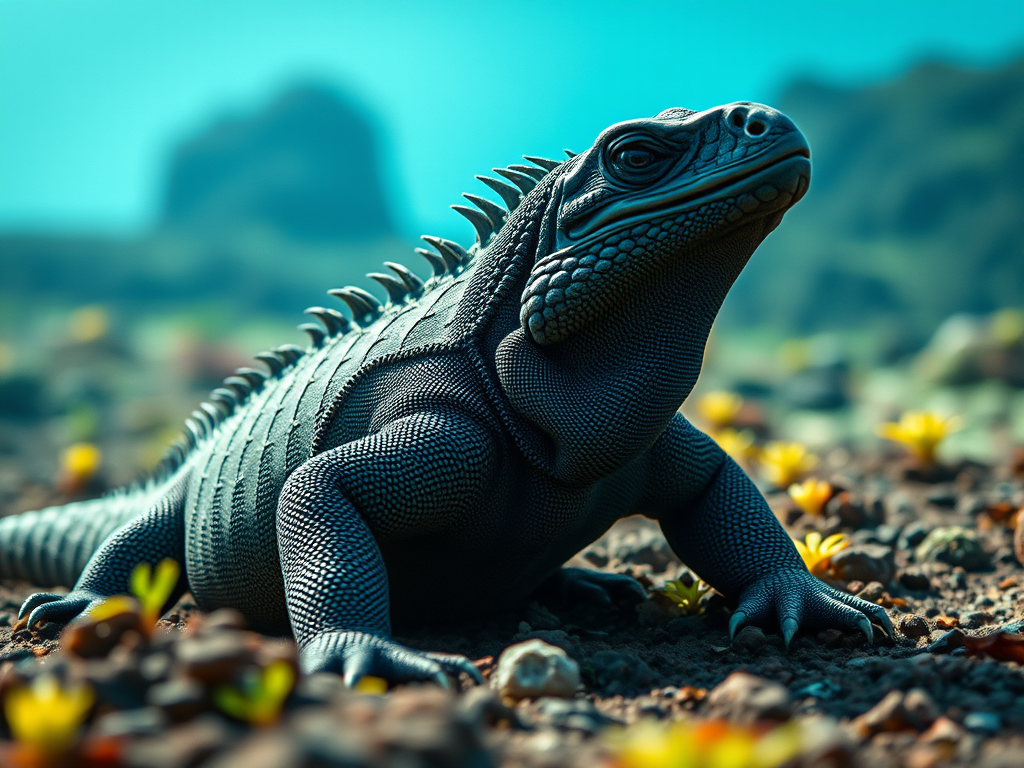
Marine iguanas, Earth’s only seafaring lizards, which evolved to dive up to 30 feet deep to graze on underwater algae and can expel excess salt through specialized glands. Large colonies create spectacular assemblages on black lava rocks, especially on Fernandina and Isabela islands.
Galápagos penguins, the northernmost penguin species and the only one found at the equator, thanks to the cold Humboldt Current. Their small size (under 20 inches tall) represents an adaptation to warmer conditions compared to their Antarctic relatives.
Blue-footed boobies performing their distinctive mating dance, lifting their bright blue feet in a comical yet earnest courtship ritual. Their precision diving—plummeting from 60 feet with aerodynamic perfection—creates one of the archipelago’s most dramatic wildlife spectacles.
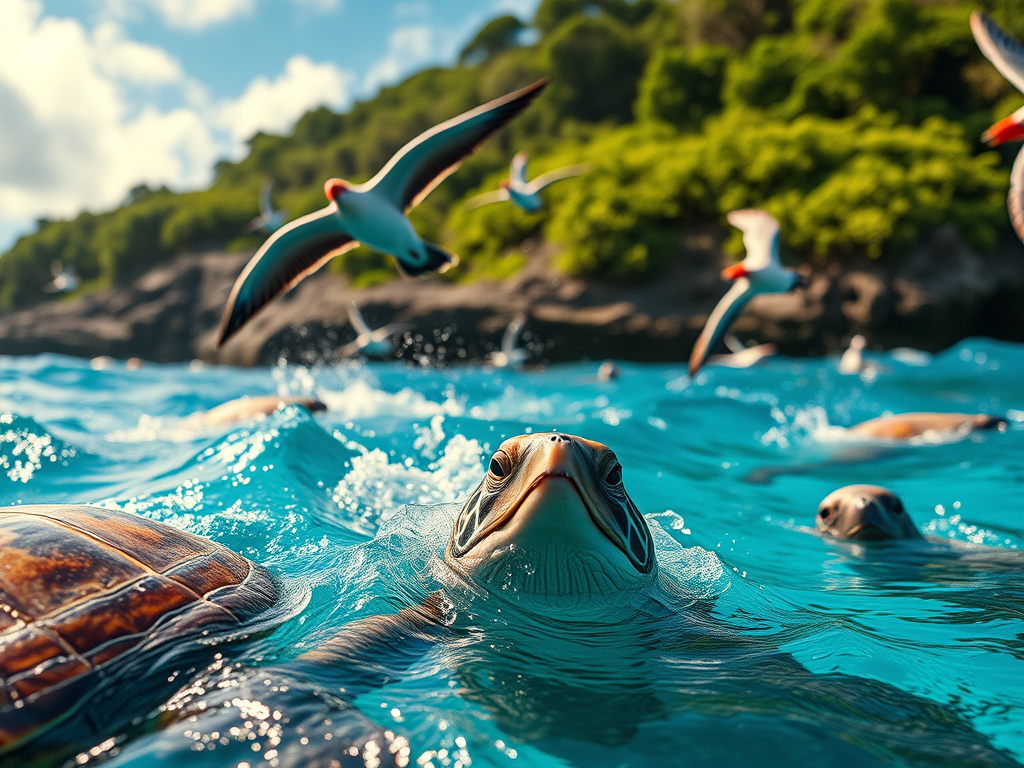
Sea lions, which form bachelor colonies, nursery groups, and territorial harems along many beaches. Their playfulness underwater makes them favorite snorkeling companions, often approaching swimmers with curious pirouettes. 🐧
Packing Essentials: Beyond the Basics 🧳
While your sailing operator will provide a comprehensive packing list, these insider tips will enhance your journey:
Quick-dry clothing dominates Galápagos fashion, as daily snorkeling sessions mean frequent changes. Pack multiple swimsuits, as the humidity prevents quick drying. Long-sleeved UV-protective shirts and rash guards are essential for sun protection during water activities and hikes.
Footwear requirements include water shoes for wet landings (stepping directly from dinghies into ankle-deep water), sturdy hiking shoes for traversing sharp lava, and comfortable boat shoes for onboard wear. Many vessels request no street shoes onboard, so packable slippers make evenings more comfortable.
Photography equipment benefits from waterproof protection—even “dry landings” often involve spray. Consider underwater cameras or housings, and bring twice the storage capacity you think you’ll need. The extraordinary wildlife proximity means even amateur photographers capture professional-quality images.
Seasickness remedies should include both medication (consult your doctor about patches, which provide consistent prevention) and natural alternatives like ginger candies. Even experienced sailors occasionally face challenging crossings between islands.
Reef-safe sunscreen is mandatory, as chemical sunscreens damage the fragile coral ecosystems. Look for mineral-based options with titanium dioxide or zinc oxide as active ingredients. Similarly, biodegradable soap and shampoo protect marine environments from unnecessary chemicals. 🧴
Local Insider Tips: Maximizing Your Experience 🔍
After guiding hundreds of Galápagos sailing adventures, I’ve gathered these insider recommendations:
The best wildlife photography happens during the first and last hours of daylight. While most tourists retreat to boats by 5:00 PM, knowledgeable travelers request early morning departures (around 6:00 AM) and late afternoon returns whenever possible. The golden hour transforms ordinary scenes into extraordinary images, and many animals are more active during cooler periods.
Snorkeling after rainfall often provides superior visibility, as freshwater creates a distinct layer above the saltwater, temporarily reducing surface disturbance. Keep your gear ready even during light showers for these magical underwater windows.
Although National Park regulations require guides to accompany all visitors, establishing rapport with your naturalist creates opportunities for customized experiences. Express your specific interests—whether photography, bird behavior, or geology—early in your journey, allowing guides to tailor explanations and position you optimally during landings.
Pre-cruise acclimatization in Ecuador’s highlands helps prevent altitude sickness when visiting Santa Cruz’s tortoise reserves at higher elevations. Consider spending two days in Quito (9,350 feet) before flying to the islands, which helps your body adjust gradually.
Extend your journey with a few days on Santa Cruz Island after your cruise. This allows more relaxed exploration of the Charles Darwin Research Station and creates buffer time should weather delay flights (a common occurrence). The town of Puerto Ayora offers excellent restaurants serving fresh seafood and local specialties like ceviche with patacones (fried plantain chips). 🍴
A Personal Reflection: Magic on the Waves ✨
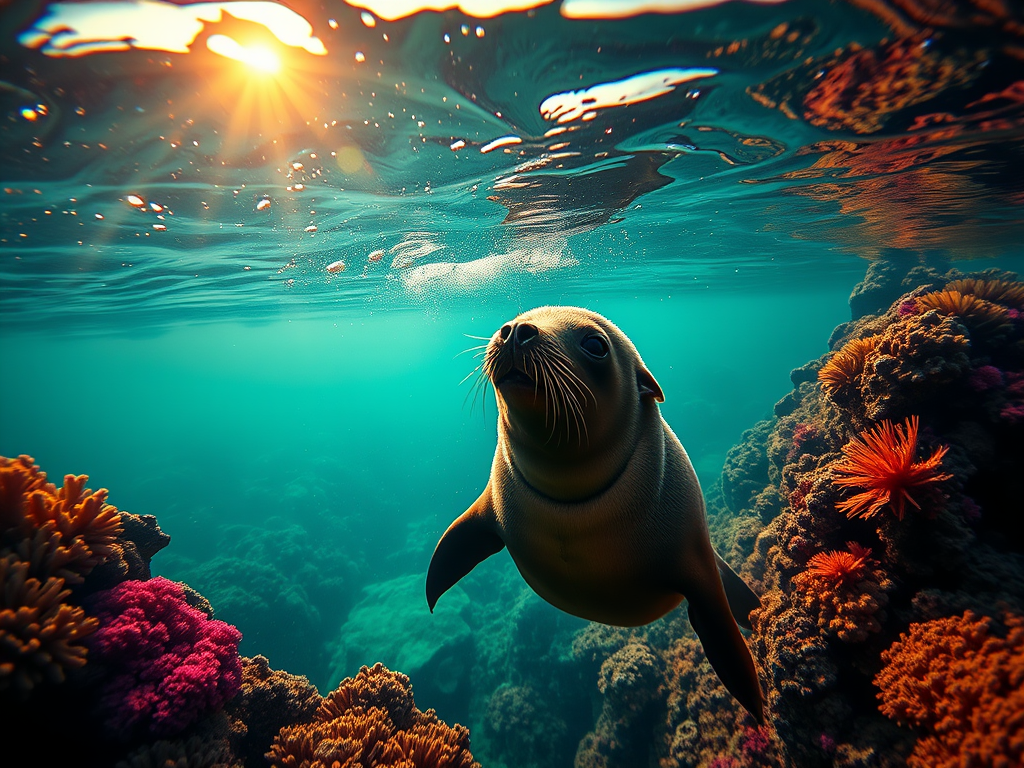
During my last expedition sailing through the Galápagos, our small yacht anchored in a protected cove near Floreana Island just before sunset. As dinner preparations clattered from the galley, I slipped into the water for a final snorkel. The fading light created mysterious underwater shadows where sea turtles glided effortlessly along the reef edge.
Suddenly, a curious sea lion pup spiraled toward me, performing an underwater ballet of twists and turns before stopping inches from my mask, examining me with intelligent eyes. For nearly twenty minutes, this wild creature chose to play, mimicking my movements and inviting interaction in a display of natural curiosity unburdened by fear. When I finally returned to the yacht, cheeks sore from smiling through my snorkel, I understood why these islands change people.
The Galápagos doesn’t just show you extraordinary wildlife—it invites you into relationship with a world where human presence hasn’t automatically meant threat. In these waters, evolution’s workshop remains visible, accessible, and transformative for those willing to sail beyond the ordinary. 🌊
Conservation Considerations: Traveling Responsibly 🌱
The privilege of visiting the Galápagos carries responsibility. The National Park’s strict regulations—including limited landing sites, mandatory guides, and prohibited touching of wildlife—protect this fragile ecosystem. Visitor fees ($100 park entrance) fund conservation efforts, but conscious travelers can contribute more meaningfully:
Choose operators committed to sustainability, evidenced by waste management practices, local employment, and conservation contributions. Companies like Ecoventura and National Geographic Expeditions maintain exemplary environmental standards while providing exceptional experiences.
Maintain appropriate wildlife distance (6 feet minimum), even when animals approach you. While photos with sea lions make tempting social media posts, distance protects both visitors and wildlife from disease transmission and behavioral disruption.
Support local conservation by visiting the Charles Darwin Foundation facilities and contributing to their research programs. Many vessels offer opportunities to participate in citizen science projects collecting valuable data during your journey.
Consider carbon offsetting your flights to and from the islands, as air travel represents the largest environmental impact of your journey. Programs specifically supporting Galápagos conservation create double benefits. 🌿
Fun Fact: Nature’s Laboratory 🧪
Did you know the Galápagos marine iguanas actually shrink their bodies during food shortages? These remarkable reptiles can reduce their length by up to 20% when algae becomes scarce during El Niño events. Not only do their bones decrease in size, but internal organs also contract—an extraordinary adaptation allowing them to require less food and energy. When conditions improve, they gradually return to their original size. This remarkable physiological flexibility demonstrates the extraordinary adaptations that make Galápagos wildlife so special!
Ready to chart your course through Darwin’s living laboratory? The Galápagos awaits with experiences that will transform how you see our natural world. From volcanic landscapes to underwater wonderlands, these islands offer sailing adventures that combine luxury, discovery, and conservation in perfect balance. 🧭
Planning Your Journey: Next Steps 🗺️
The best Galápagos sailing experiences book 9-12 months in advance, especially for peak periods (June-August and December-January). Work with a specialized travel advisor who understands the subtle differences between vessels and itineraries to match your interests perfectly.
Consider extending your Ecuador experience with visits to the Amazon rainforest, Andean highlands, or historic Quito before or after your Galápagos sailing adventure. These contrasting ecosystems showcase Ecuador’s extraordinary biodiversity and cultural heritage.
Whatever sailing option you choose, prepare for an experience that will redefine your relationship with the natural world and create memories that last a lifetime. The Galápagos doesn’t just show you extraordinary wildlife—it demonstrates evolution’s workshop in action and inspires a deeper commitment to protecting our planet’s remaining wild spaces. 🌎
#TuesdayTales #GalapagosAdventure #WildlifeWonders #EcuadorTravel #SailingExpedition #BucketListDestination #VoyageJTravels
Like. Follow. Share. Subscribe. -> -> -> Thank you. 🙂
Book Now. Please Fill Out the Travel Forms and begin working with a JTravel Advisor Today!
Learn More Voyage JTravels
Disclaimer: Please note that this travel blog post is intended for educational and informational purposes. While based on general travel knowledge and aiming for accuracy, some anecdotal elements and personal touches have been included for storytelling and illustrative purposes to enhance reader engagement.
Carmel #1 Car and Limousine Service in America – Best Service for the Lowest Price




…Waiting to Hear Your Thoughts… Leave a Comment.